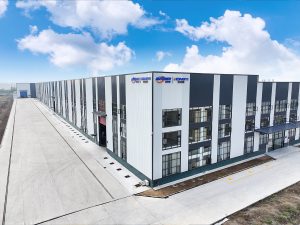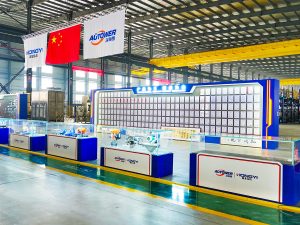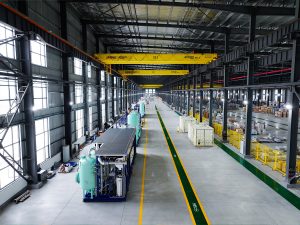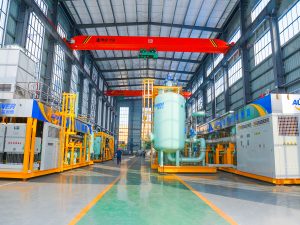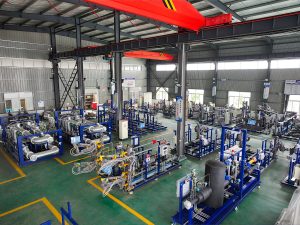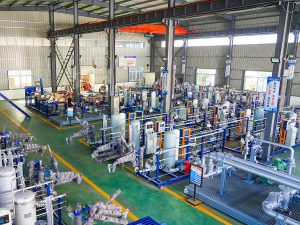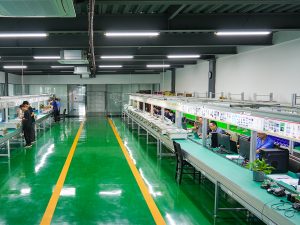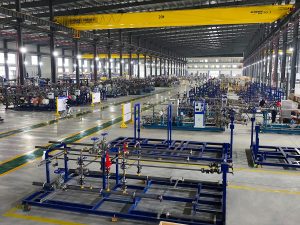
customer requirements.
The
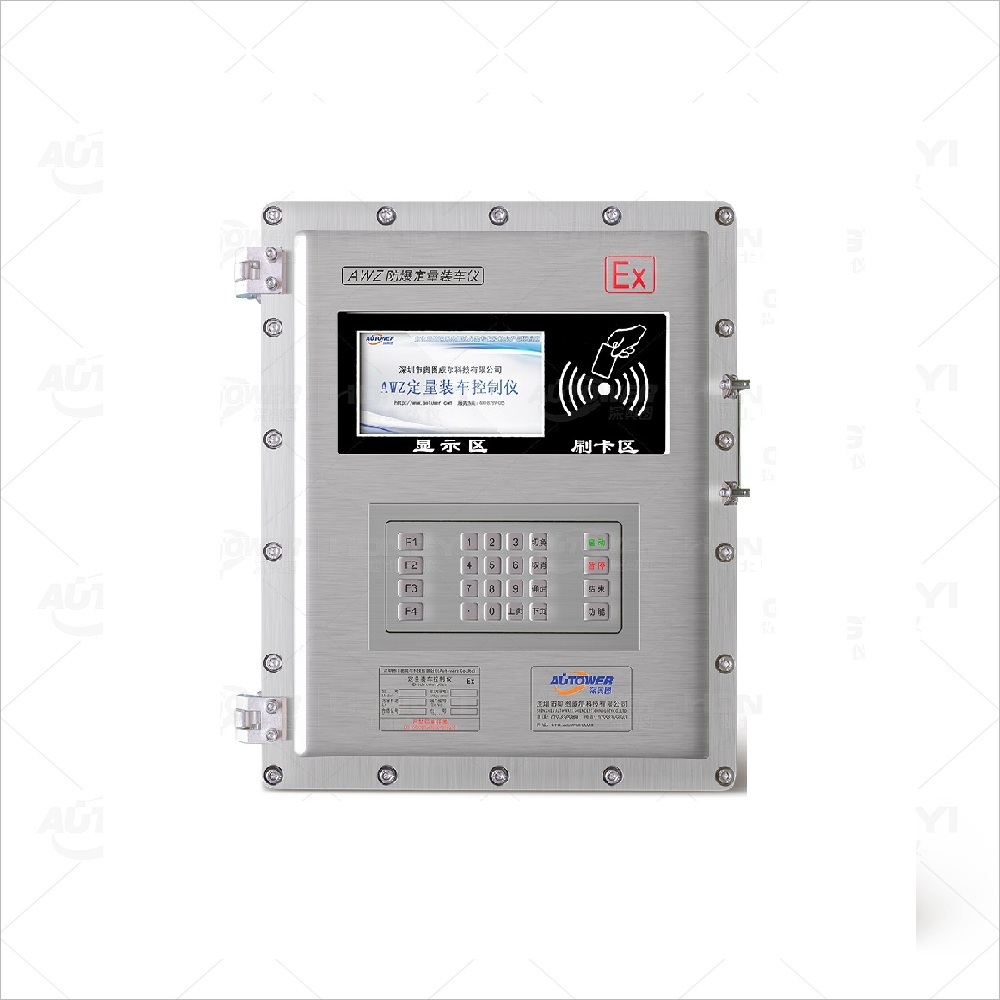
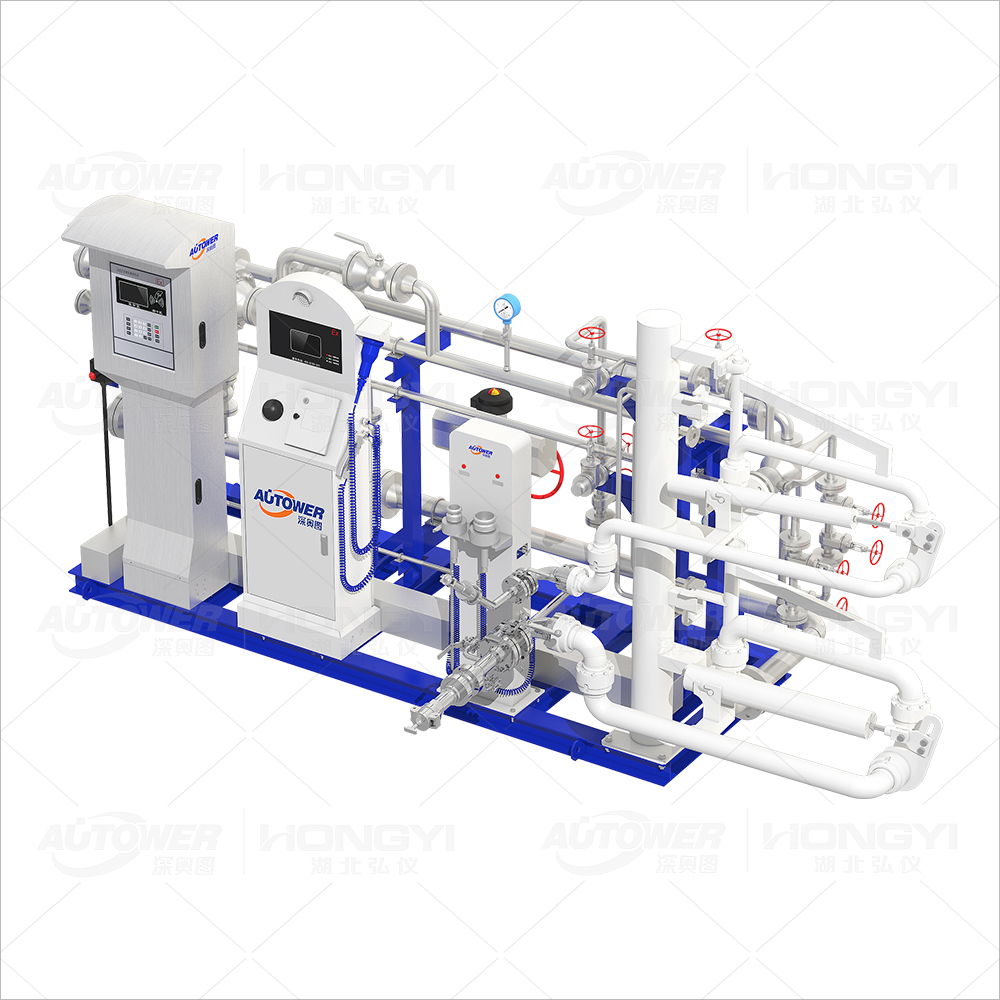
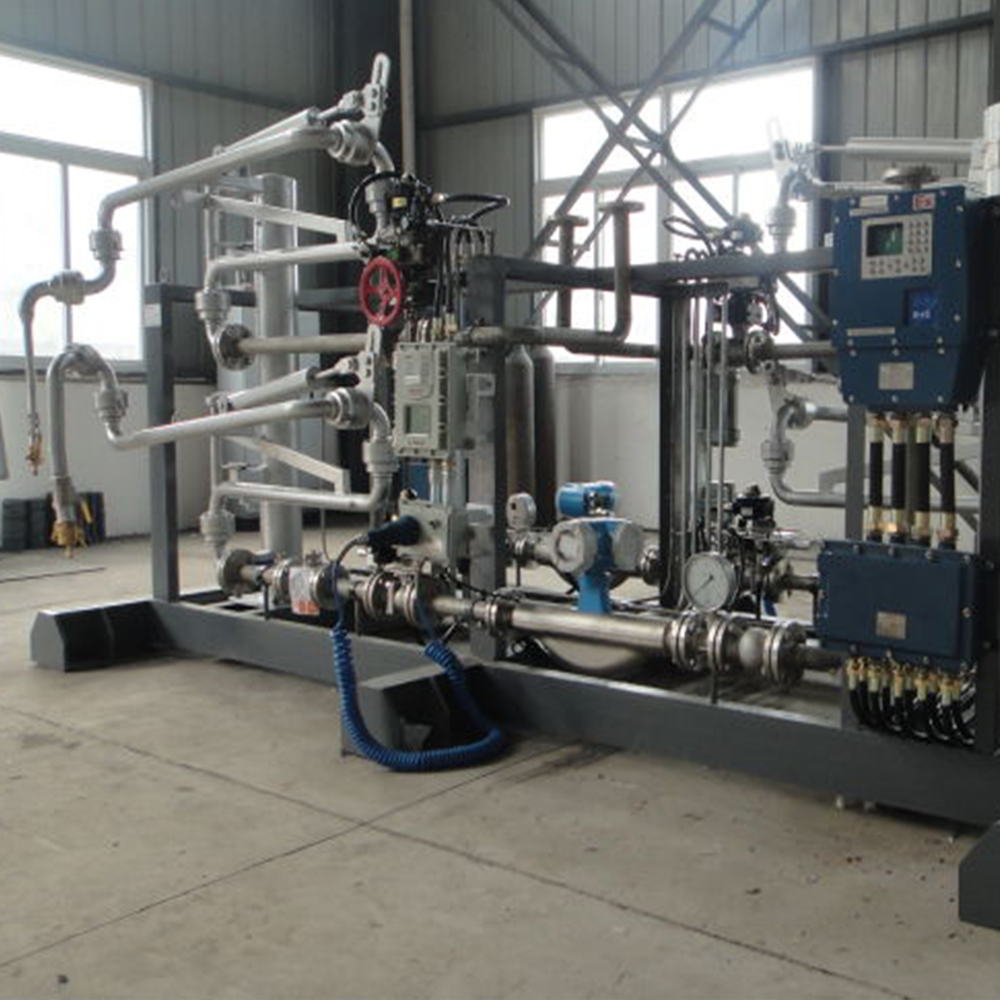
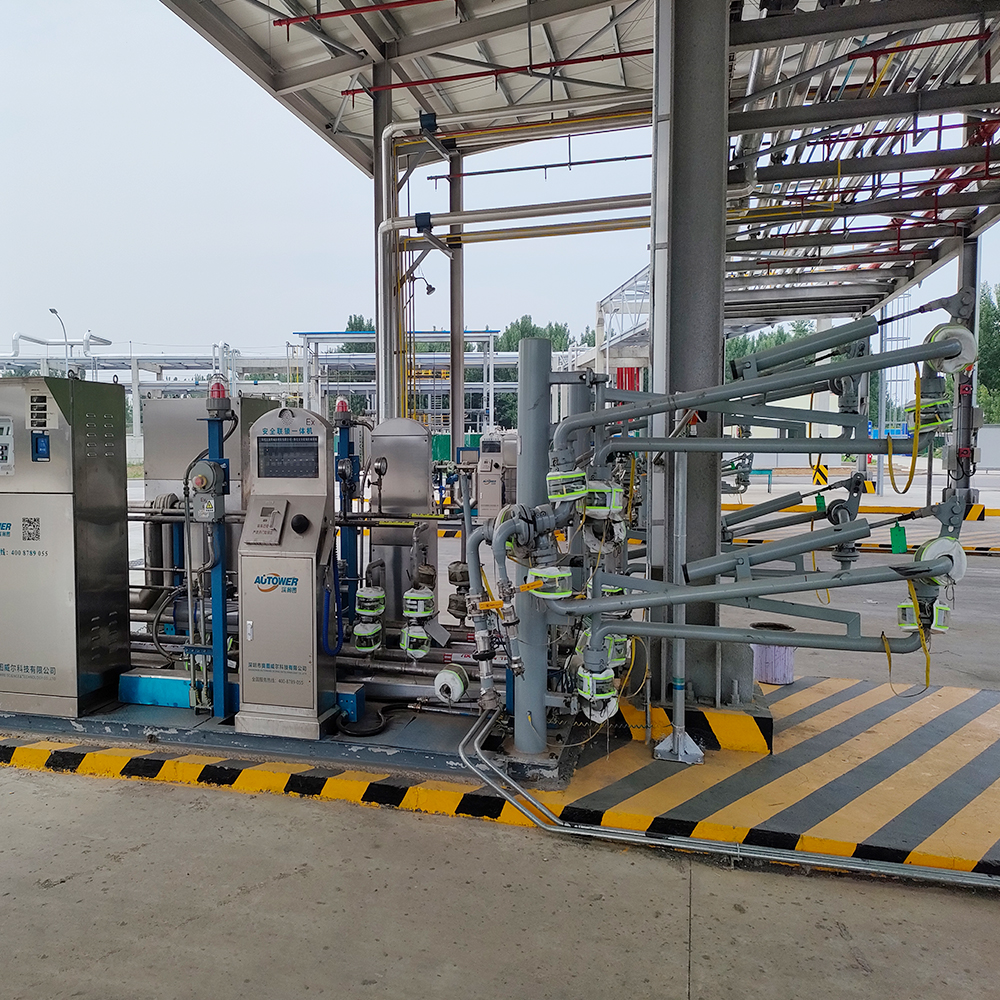
skid-mounted units feature a steel base and can be used for both loading and unloading applications. They’re ideal for bottom loading applications and for truck operation. Our skid-mounted units accommodate a variety of medium, including LPG、 liquid ammonia and dimethyl ether (DME)etc. In addition, Our commpany can provide customized design and on-site training and commissioning service.
| 1 | 2 | 3 | 4 |
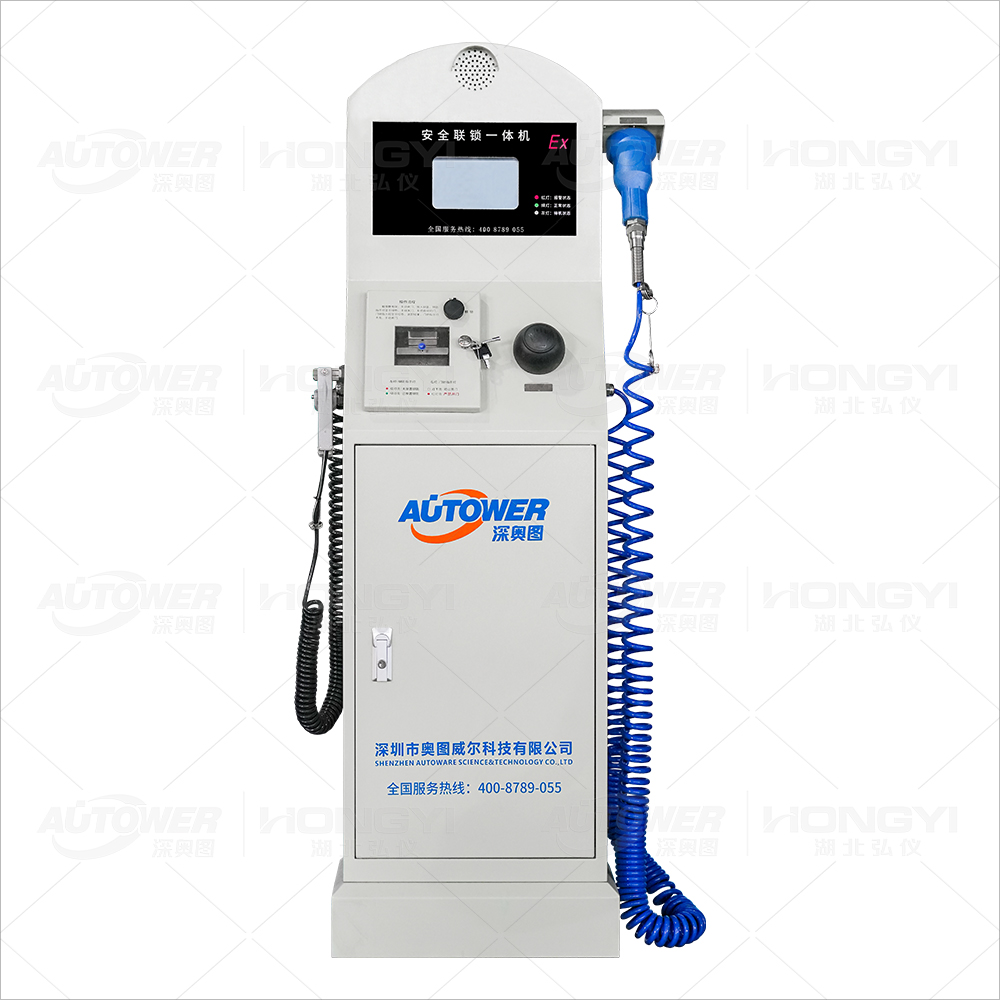
| Liquid Loading Unit (Bottom) | Vapor Recovery Unit | Metering & Control Unit (Skid Base) | Safety Interlock Unit |
| Bottom skid-mounted structure | LPG Bottom loading type |
| There are two types: unilateral and bilateral | The length is about 4-6 m |
| Fluid medium | LPG |
| Material of wetted pipes or parts | 20# carbon steel,304 SS,316SS |
| Matching loading arm | Dual-pipe rigid sealed structure with quick-connect couplings and Emergency release coupling |
| Matching flow meter | Mass flow meter, dual rotor flow meter optional |
| Matching valve | Pneumatic two-stage valve and control valve are optional |
| Matching overfill grounding protector | Bottom-mounted integrated type |
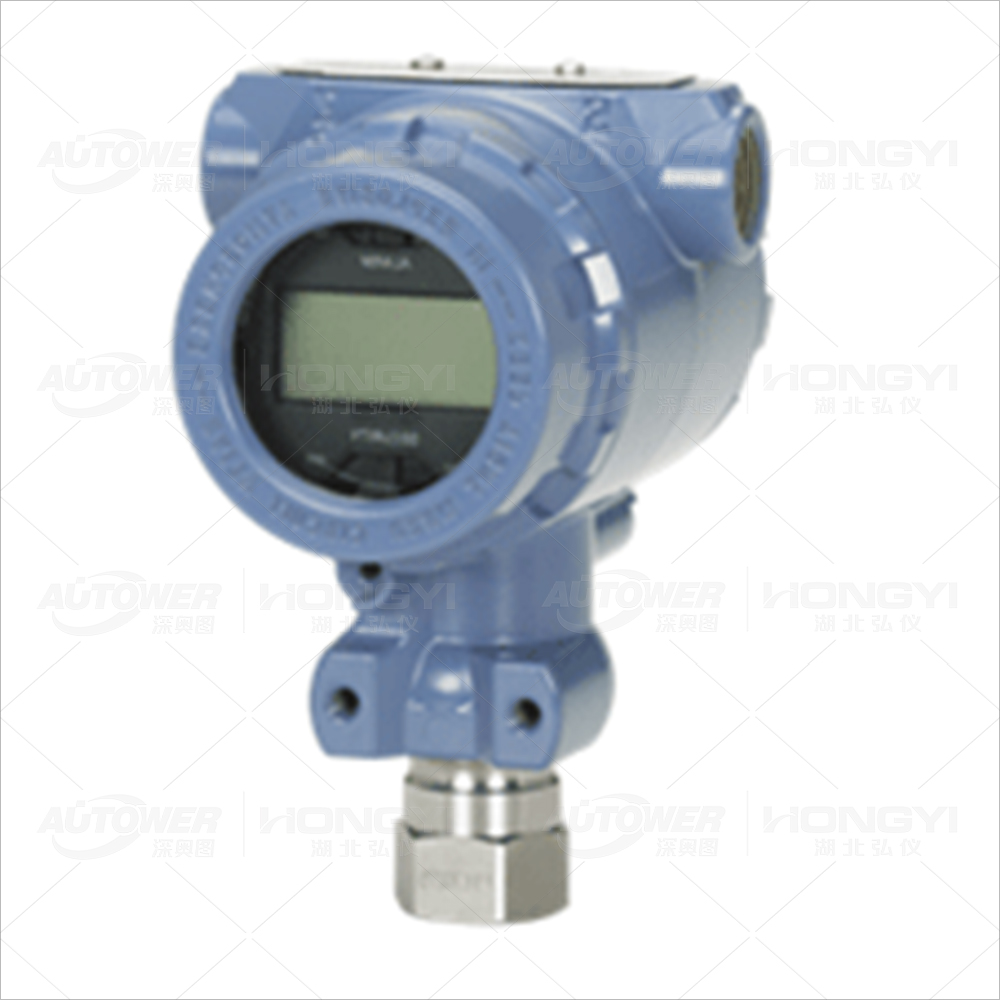
| Other Matching instruments | Pressure gauge or transmitter, Temperature gauge or transmitter |
| Other matching process equipment | Expansion joints, manual valves, stop valves, etc. |
| Connector | Cables, galvanized pipes, bridges, explosion-proof flexible pipes, etc. |
| Comparison Dimension | Traditional On-site Installation | Skid-mounted Integration |
| Assembly Location | Loose assembly and welding at the project site | Standardized prefabrication and overall integration within the factory |
| Construction Period | Long cycle (requires on-site layout, installation, and commissioning) | Extremely short cycle (only interface docking required on-site, ready to use upon arrival) |
| Quality Control | Susceptible to on-site weather and personnel skill levels | Stable factory environment, strictly tested before leaving the factory |
| Construction Difficulty | Heavy on-site workload, complex coordination among multiple trades | Minimal on-site work, significantly reducing welding and civil engineering |
| Mobility | Fixed installation, difficult to move or dismantle | Mounted on steel skids, allowing for overall relocation and reuse |
| 1 | 2 | 3 | 4 | 5 | 6 |
| Easy to install | Reduce costs | Optimum design | Flexible Configuration | Easy to maintain and use | portable and reusable |
To enhance packaging quality, strengthen packaging management, and prevent product loss or damage during transit resulting from packaging-related issues, this Export Packaging Specification has been specifically formulated.
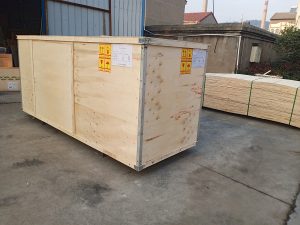
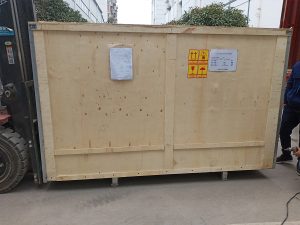
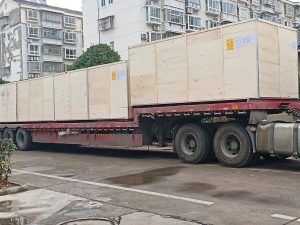
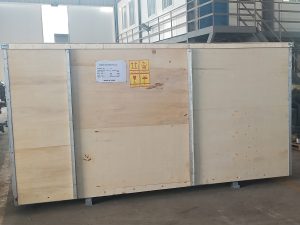
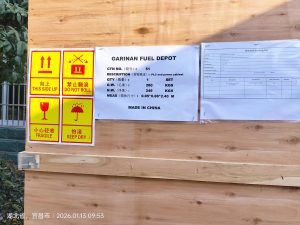
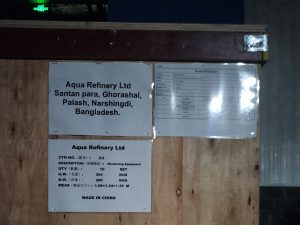
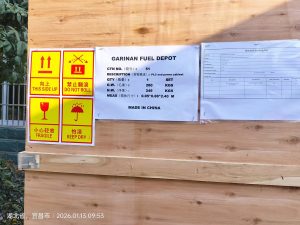
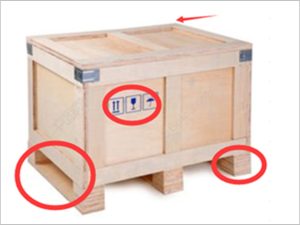
This specification applies to the packaging of all products exported by this Company.
| Requirement | Responsible Dept. | |
| Before Packaging | Confirm that the product has been tested and is free of defects. Confirm that the product’s exterior is clean and free of stains, standing water, or similar issues. | Quality Dept. |
| Product Packaging | 1. Skid-mounted and Containerized Packaging: A three-layer packaging system—comprising inner, intermediate, and outer packaging—is required. The packaging must be securely fastened and stable, providing effective protection for the product. a. Individual instruments on the skid must be protected with bubble wrap and tightly bound with stretch film. b. The entire skid must be protected with bubble wrap and tightly bound with stretch film. . Containers equipped with racks must be securely fastened using strapping bands. d. Loose piping must be wrapped in protective fabric to prevent paint damage from impact, and then placed onto a dedicated packing rack. Legend 2. Individual Packaging A three-layer packaging system—comprising inner, intermediate, and outer packaging—is required. The packaging must be securely fastened and stable, providing effective protection for the product. Inner Packaging: Foam wrap must be used to fully enclose the items, ensuring that no direct collision or friction occurs between products or between the products and the carton. Each individual item must bear both Chinese and English labels to facilitate inventory verification by the customer. Intermediate Packaging: Packed in cartons. Outer Packaging: Wooden crate packaging. The materials used must consist of plywood crates (fumigation-free) reinforced with steel strips. Any remaining space inside the box must be filled with cushioning material. For heavier products, particular attention should be paid to packaging strength to prevent damage during transit. | Production Dept / Warehousing & Logistics Dept |
| packaging | 1. Steel strips / wide wooden slats to wrap the 8 legs. Note: Wooden slat width: mm; thickness: mm. 2. 6–8 reinforcement points inside the box. 3. For any face exceeding 2 CBM, cross-bar or I-beam steel reinforcement is required. Note: The spacing between cross-bars/I-beams must be less than or equal to mm. 4. All packaging must include forklift access points to facilitate loading and unloading. 5. Packaging must be designed based on the dimensions of the container; under no circumstances should it exceed the container’s length, width, or height. | Warehousing & Logistics Dept |
| Shipping Mark | In accordance with the accompanying documentation, affix the shipping marks and packing lists to the front and sides, respectively . | Warehousing & Logistics Dept |
| Packaging Markings | Fragile, Keep Dry, This Side Up. Labels must be clear and securely affixed. | Warehousing & Logistics Dept |
| Instruction Manual placement | You must include: an instruction manual (either entirely in English or bilingual English-Chinese), a Certificate of Conformity, and a test report. (Note: No documents may be submitted exclusively in Chinese.) | Quality Dept |
| Take photos for the archive. | The packaging process must be documented via photographs or video recordings, and relevant information retained. All photographic and video files must be date-stamped and subsequently archived. | Warehousing & Logistics Dept |