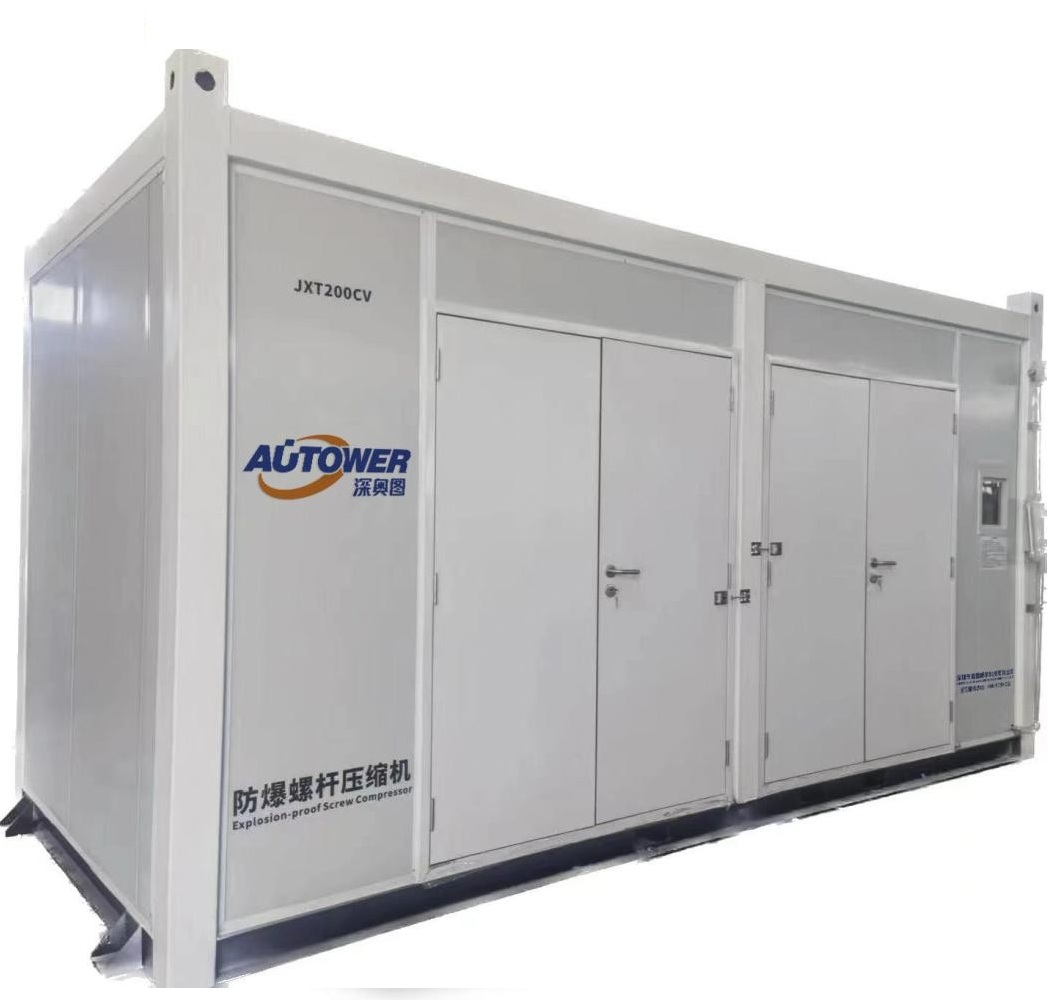
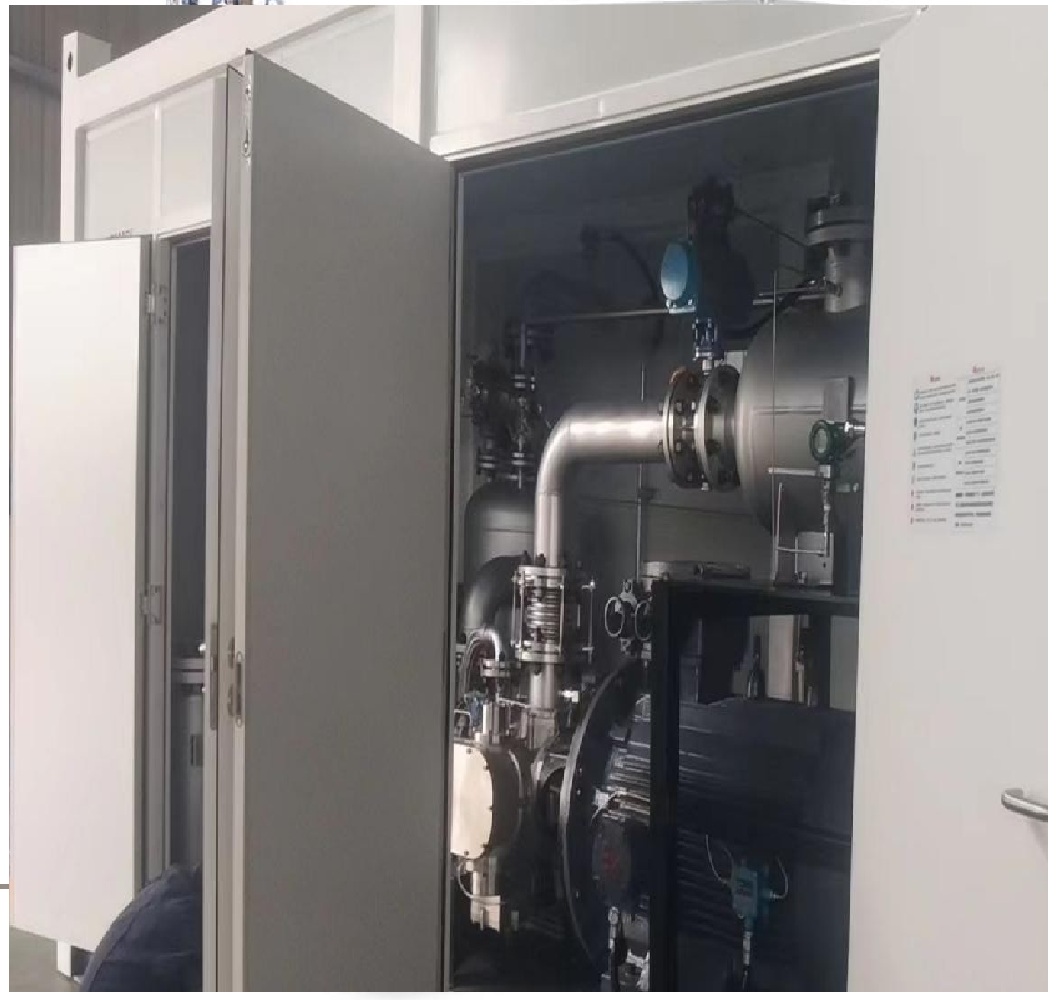
| No | Item | Parameter |
| 1 | TAG | XXX |
| 2 | Model | AW-XXX |
| 3 | Capacity | 200-120000Nm³/d |
| 4 | Interlock Status | Interlocked with 2 – 3,000 m³ tanks and 4 – 5,000 m³ tanks. |
| 5 | Design Pressure | 1.6MPa(G) |
| 6 | Inlet Pressure | Starts at 800 Pa(G) — Stops at 500 Pa(G) |
| 7 | Outlet Pressure | 0.6MPa(G) |
| 8 | Main Power | 7.5KW |
| 9 | Noise Level | 58dB(A) |
| 10 | Power Supply Voltage | 380V/220V |
| 11 | PLC Control | Siemens S7-200 Smart RS485/MODBUS |
| 12 | Starting Method | Variable Frequency Starting |
| 13 | Frequency Range | 80-200HZ |
| 14 | Operation Panel | 10-inch LCD Screen |
| 15 | Cooling Method | Air-cooled or water-cooled |
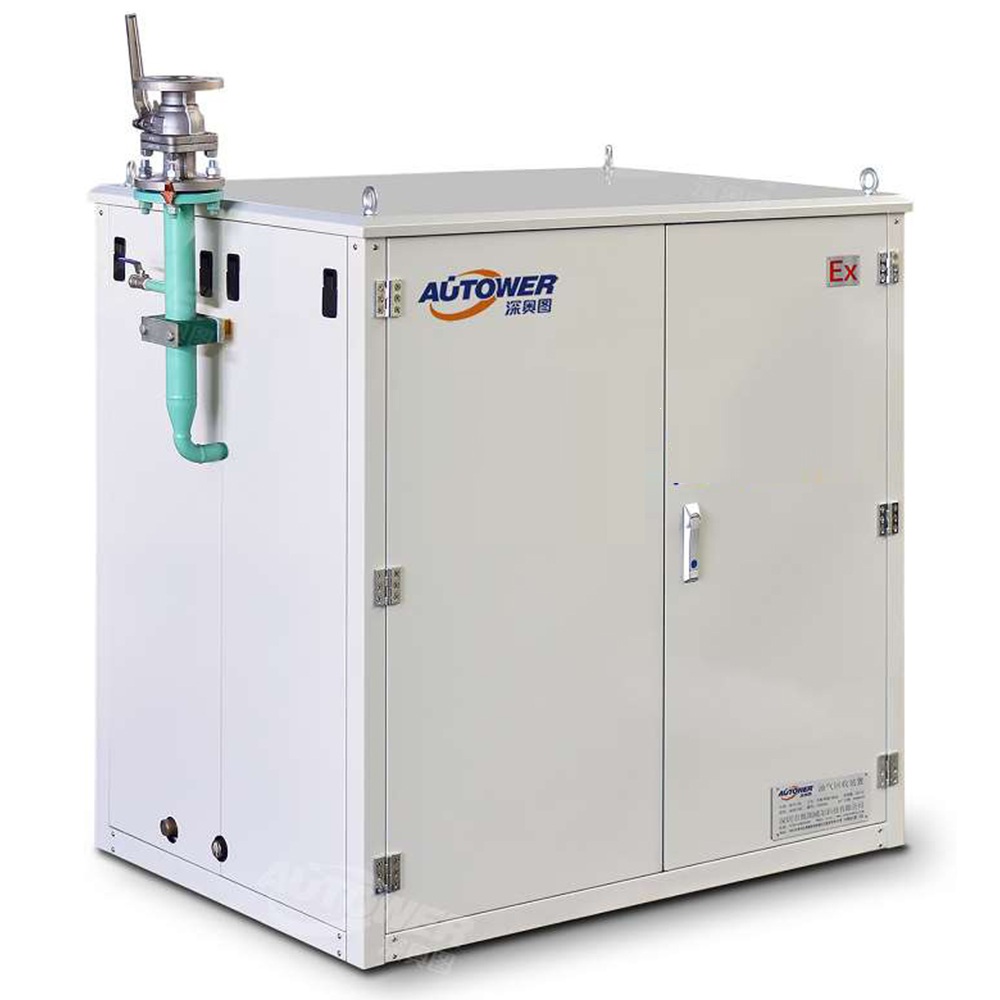
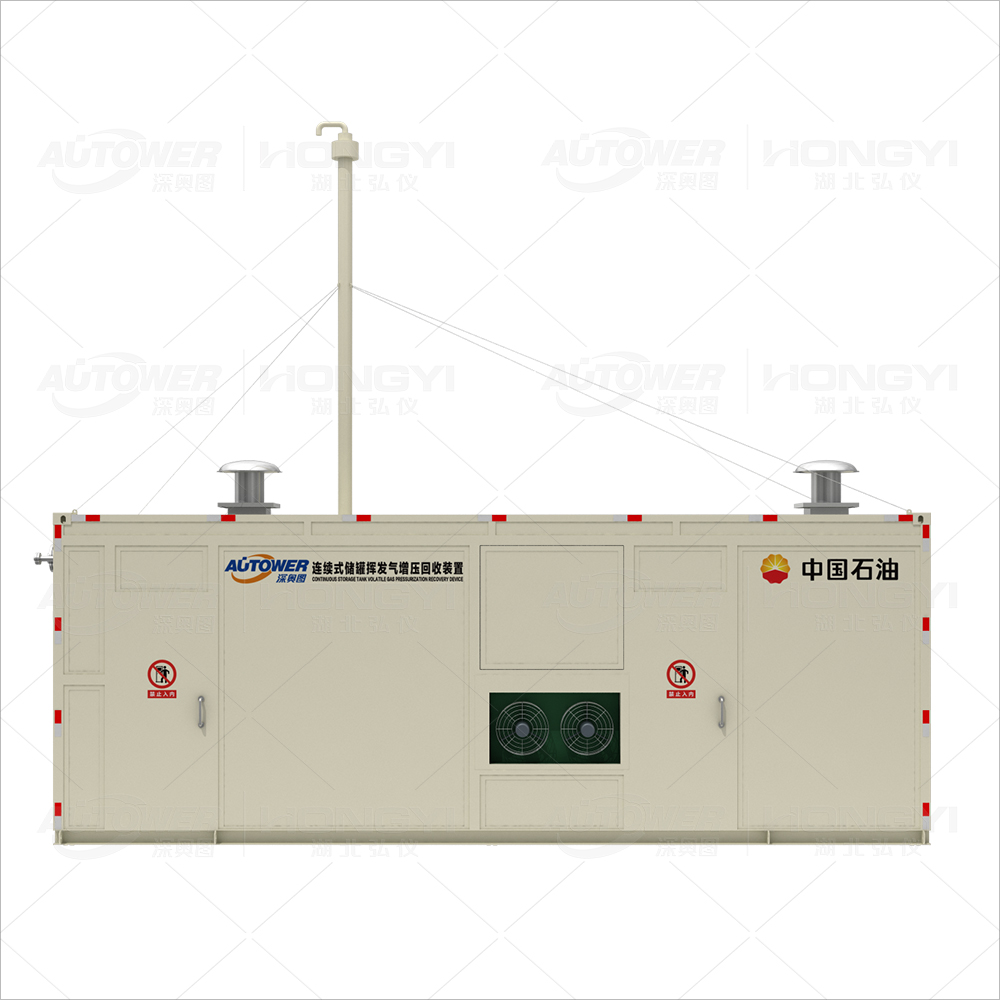
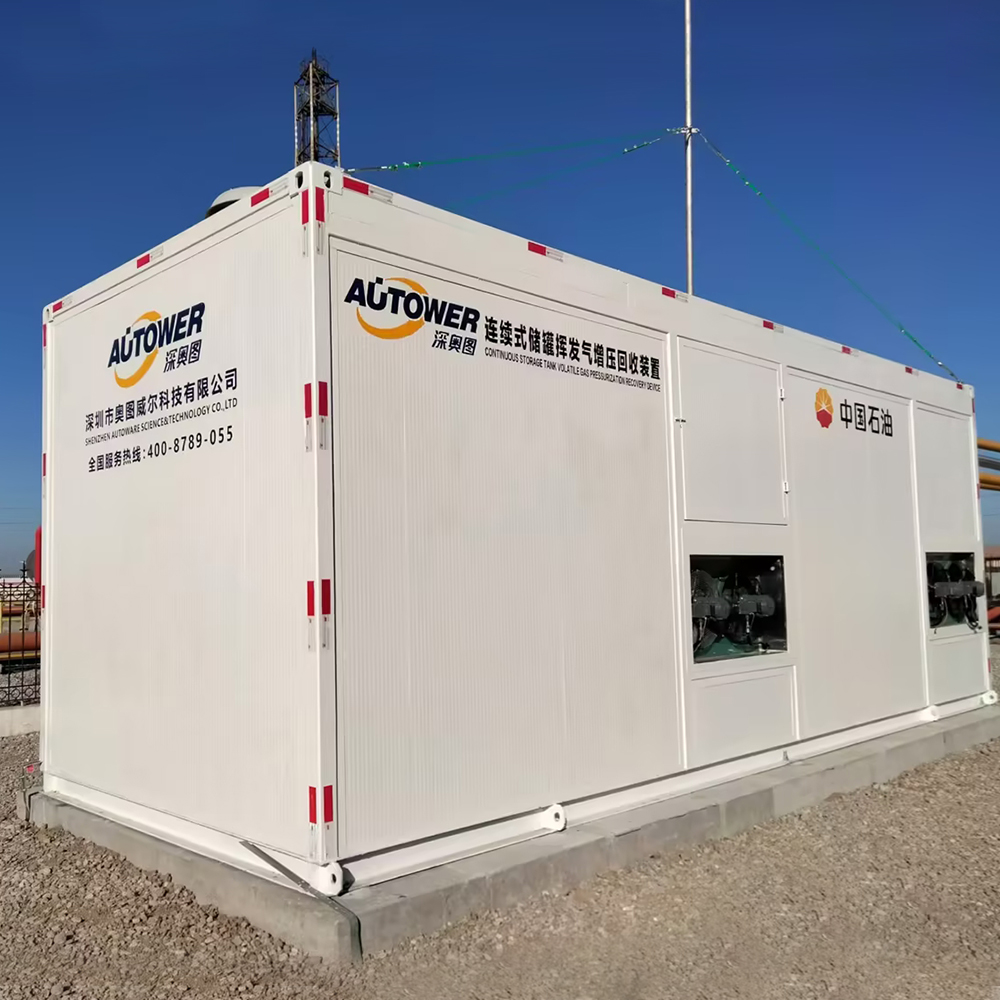
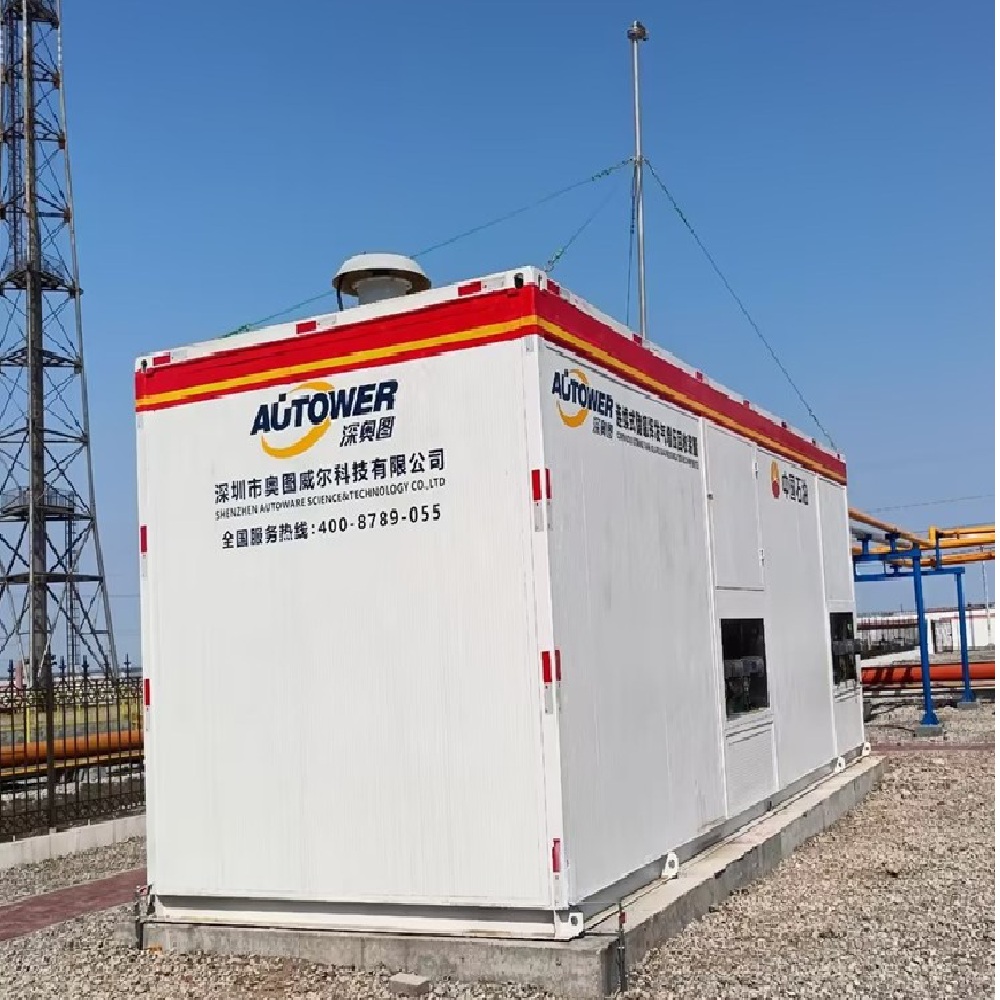
| 16 | Structure Type | Box-type Insulated Enclosure or Integrated Skid-mounted Unit with Rain Canopy |
| 17 | Explosion-proof Class | EXDIIBT4 |
| 18 | Connection Type | Direct Connection (Flexible Coupling) |
| 19 | Motor Standard | Insulation Class F |
| 20 | Motor Type | Main Motor: Variable Frequency Motor |
| 21 | Main Unit Lubrication | Water Spray (High Safety, Low Maintenance Costs, Environmentally Friendly) |
| 22 | Main Unit Material | SS304/316/316L |
| 23 | System Material | SS304/316/316L |
| 24 | Inlet System | 316/316L |
| 25 | Sensors | Various Analyzers, Sensors, and Alarms |
| 26 | Thermal Insulation System | Low-temperature explosion-proof oil-filled radiator with automatic heating or other heating modes |
| 27 | Utilities | Compressed air or nitrogen: Pressure 0.4–0.6 MPa |
| 28 | Overall Dimensions | Approximate Dimensions: Length 3000 × Width 2200 × Height 2400 (Subject to actual measurements) |
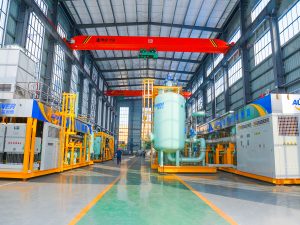
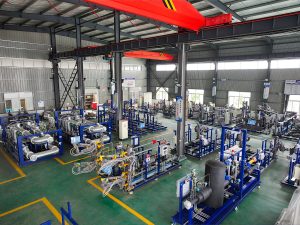
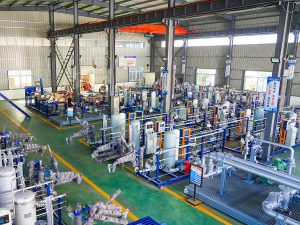
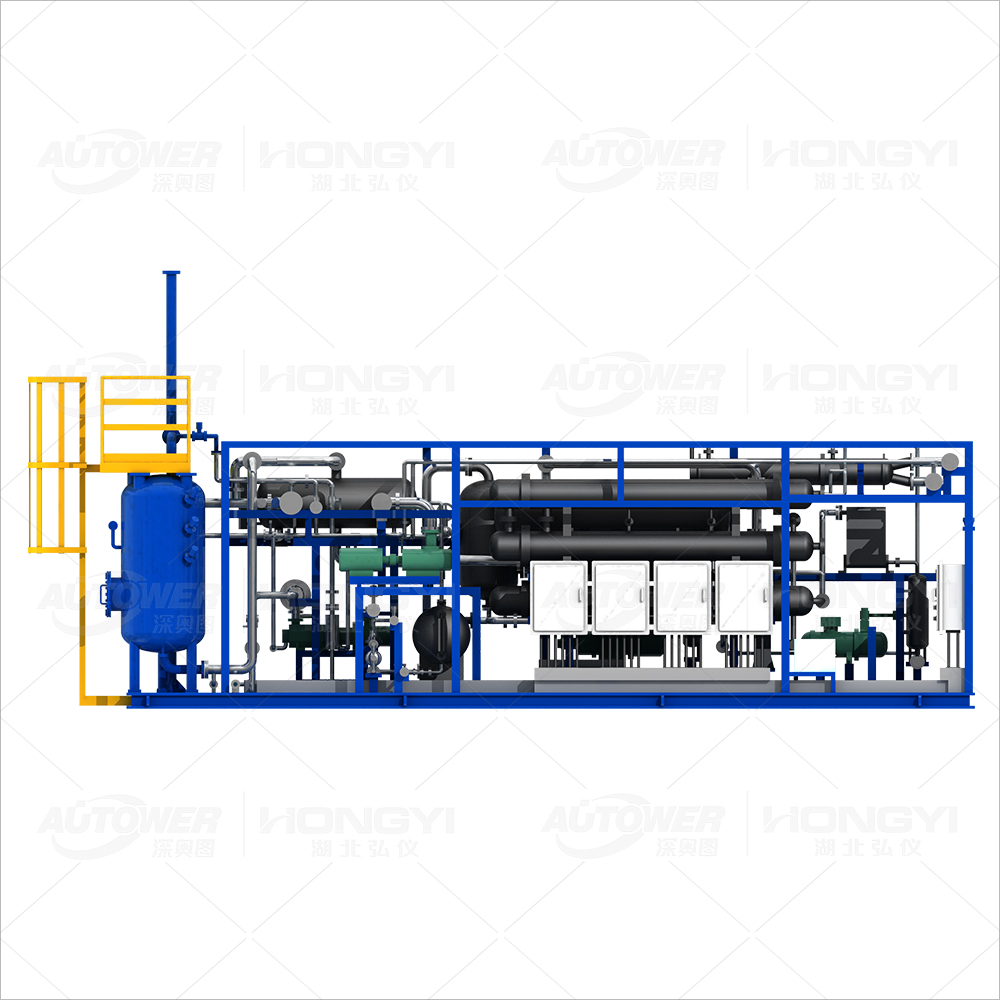
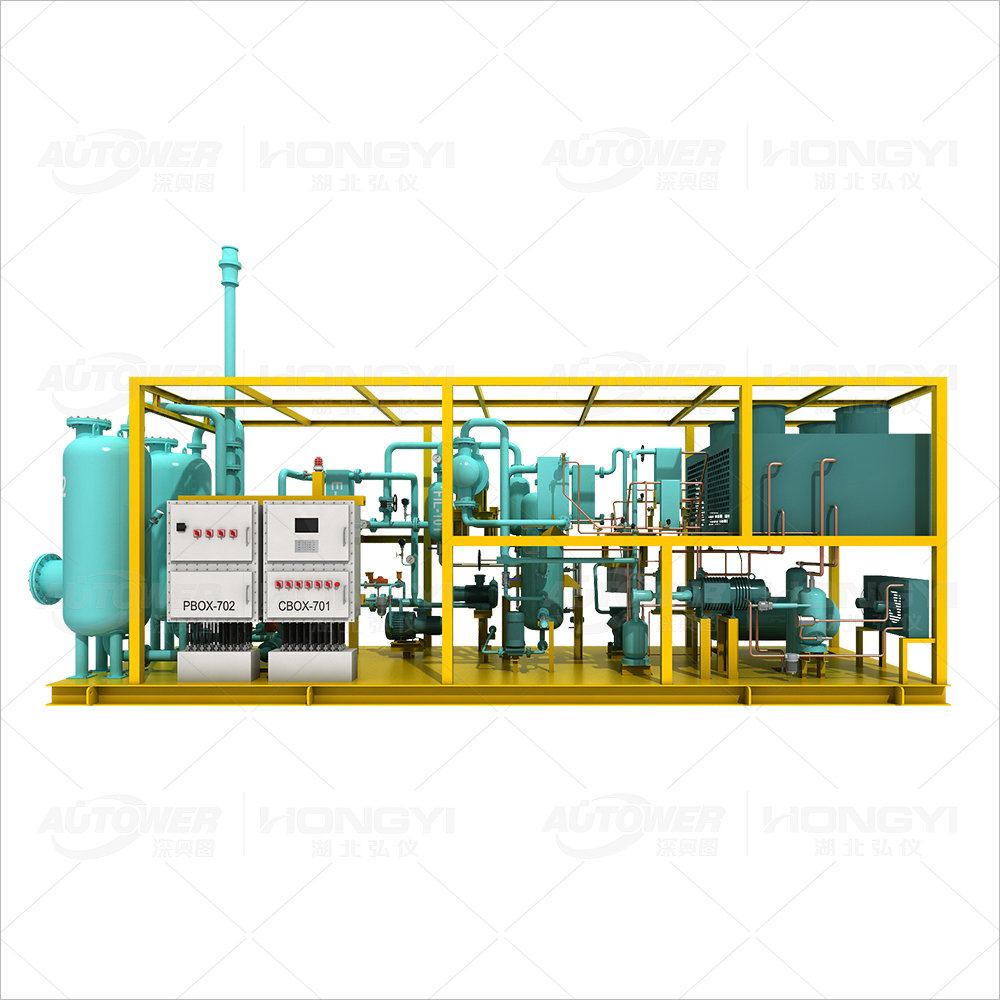
Encompassing zero-emission collection, compression and purification, and recycling, the entire system features no exhaust outlets, thereby achieving zero-pollution emission control. It completely eliminates VOCs leakage and fire safety hazards while enhancing the efficiency of petroleum storage.
The process is simple, consumes less energy, and requires a smaller footprint. Clean water can be used to replace lubricating oil, resulting in a safer, more efficient, eco-friendly, and energy-saving operation. The separated oil discharged from the condensate pump can also be recycled, generating tangible economic benefits.
To enhance packaging quality, strengthen packaging management, and prevent product loss or damage during transit resulting from packaging-related issues, this Export Packaging Specification has been specifically formulated.
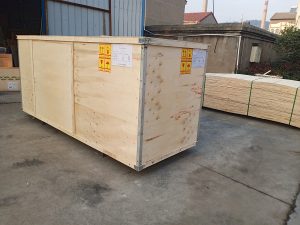
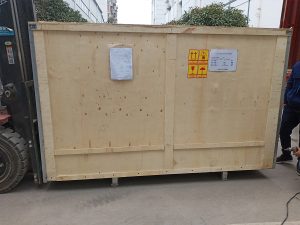
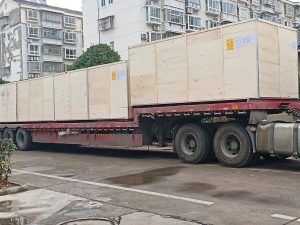
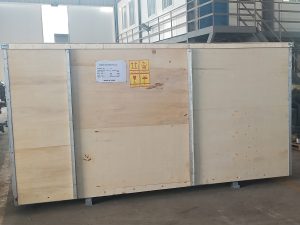
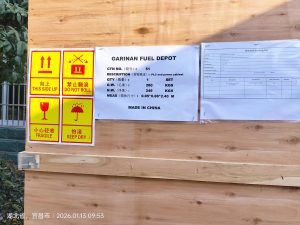
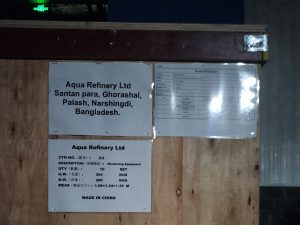
This specification applies to the packaging of all products exported by this Company.
| Requirement | Responsible Dept. | |
| Before Packaging | Confirm that the product has been tested and is free of defects. Confirm that the product’s exterior is clean and free of stains, standing water, or similar issues. | Quality Dept. |
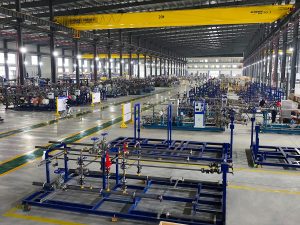
| Product Packaging | 1. Skid-mounted and Containerized Packaging: A three-layer packaging system—comprising inner, intermediate, and outer packaging—is required. The packaging must be securely fastened and stable, providing effective protection for the product. a. Individual instruments on the skid must be protected with bubble wrap and tightly bound with stretch film. b. The entire skid must be protected with bubble wrap and tightly bound with stretch film. . Containers equipped with racks must be securely fastened using strapping bands. d. Loose piping must be wrapped in protective fabric to prevent paint damage from impact, and then placed onto a dedicated packing rack. Legend 2. Individual Packaging A three-layer packaging system—comprising inner, intermediate, and outer packaging—is required. The packaging must be securely fastened and stable, providing effective protection for the product. Inner Packaging: Foam wrap must be used to fully enclose the items, ensuring that no direct collision or friction occurs between products or between the products and the carton. Each individual item must bear both Chinese and English labels to facilitate inventory verification by the customer. Intermediate Packaging: Packed in cartons. Outer Packaging: Wooden crate packaging. The materials used must consist of plywood crates (fumigation-free) reinforced with steel strips. Any remaining space inside the box must be filled with cushioning material. For heavier products, particular attention should be paid to packaging strength to prevent damage during transit. | Production Dept / Warehousing & Logistics Dept |
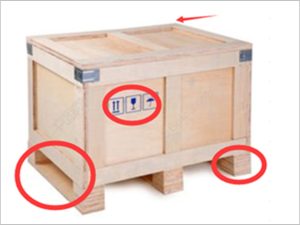
| packaging | 1. Steel strips / wide wooden slats to wrap the 8 legs. Note: Wooden slat width: mm; thickness: mm. 2. 6–8 reinforcement points inside the box. 3. For any face exceeding 2 CBM, cross-bar or I-beam steel reinforcement is required. Note: The spacing between cross-bars/I-beams must be less than or equal to mm. 4. All packaging must include forklift access points to facilitate loading and unloading. 5. Packaging must be designed based on the dimensions of the container; under no circumstances should it exceed the container’s length, width, or height. | Warehousing & Logistics Dept |
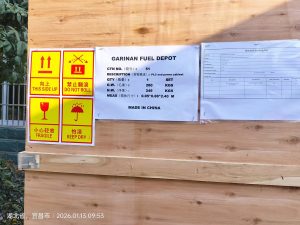
| Shipping Mark | In accordance with the accompanying documentation, affix the shipping marks and packing lists to the front and sides, respectively . | Warehousing & Logistics Dept |
| Packaging Markings | Fragile, Keep Dry, This Side Up. Labels must be clear and securely affixed. | Warehousing & Logistics Dept |
| Instruction Manual placement | You must include: an instruction manual (either entirely in English or bilingual English-Chinese), a Certificate of Conformity, and a test report. (Note: No documents may be submitted exclusively in Chinese.) | Quality Dept |
| Take photos for the archive. | The packaging process must be documented via photographs or video recordings, and relevant information retained. All photographic and video files must be date-stamped and subsequently archived. | Warehousing & Logistics Dept |