
I often discuss this choice with industry peers like John, a terminal manager in Saudi Arabia. We talk about the heat, the pressure to deliver, and the nightmare of safety violations. He knows that a simple decision on equipment design changes the entire workflow of the plant. We see this daily at our factory. Clients ask for a price, but they are really asking for a solution to a safety problem or a bottleneck.
Safety & Compliance: Which Method Best Eliminates Critical Risks?
Falls from tanker tops are a constant threat. Static electricity buildup during splash loading creates invisible bombs. Your safety record depends entirely on the physical design of your loading equipment.
Bottom loading is the clear winner for safety. It eliminates the need for operators to climb onto the tanker, removing fall hazards entirely. It also uses a closed-loop connection that significantly reduces static generation and vapor escape compared to open top loading, satisfying strict safety limit logic.


safety is not just a rule; it is an engineering challenge. We approach this challenge with our “manufacturing as the foundation” philosophy. We build safety into the metal itself.
Eliminating the Fall Hazard
Top loading requires an operator to climb on top of the truck. This introduces a fall risk. You must install expensive gantries and fall protection cages. Even with these protections, accidents happen. Bottom loading keeps the operator’s feet on the ground. This simple change eliminates the number one cause of injury in loading zones.
Managing Static and Vapor
Safety experts like Alex, who specializes in interlock logic, focus heavily on static grounding. Top loading, specifically “splash loading,” generates high static electricity. This is dangerous with volatile fuels. Bottom loading is inherently safer. It fills from the bottom up. This reduces turbulence and static buildup.
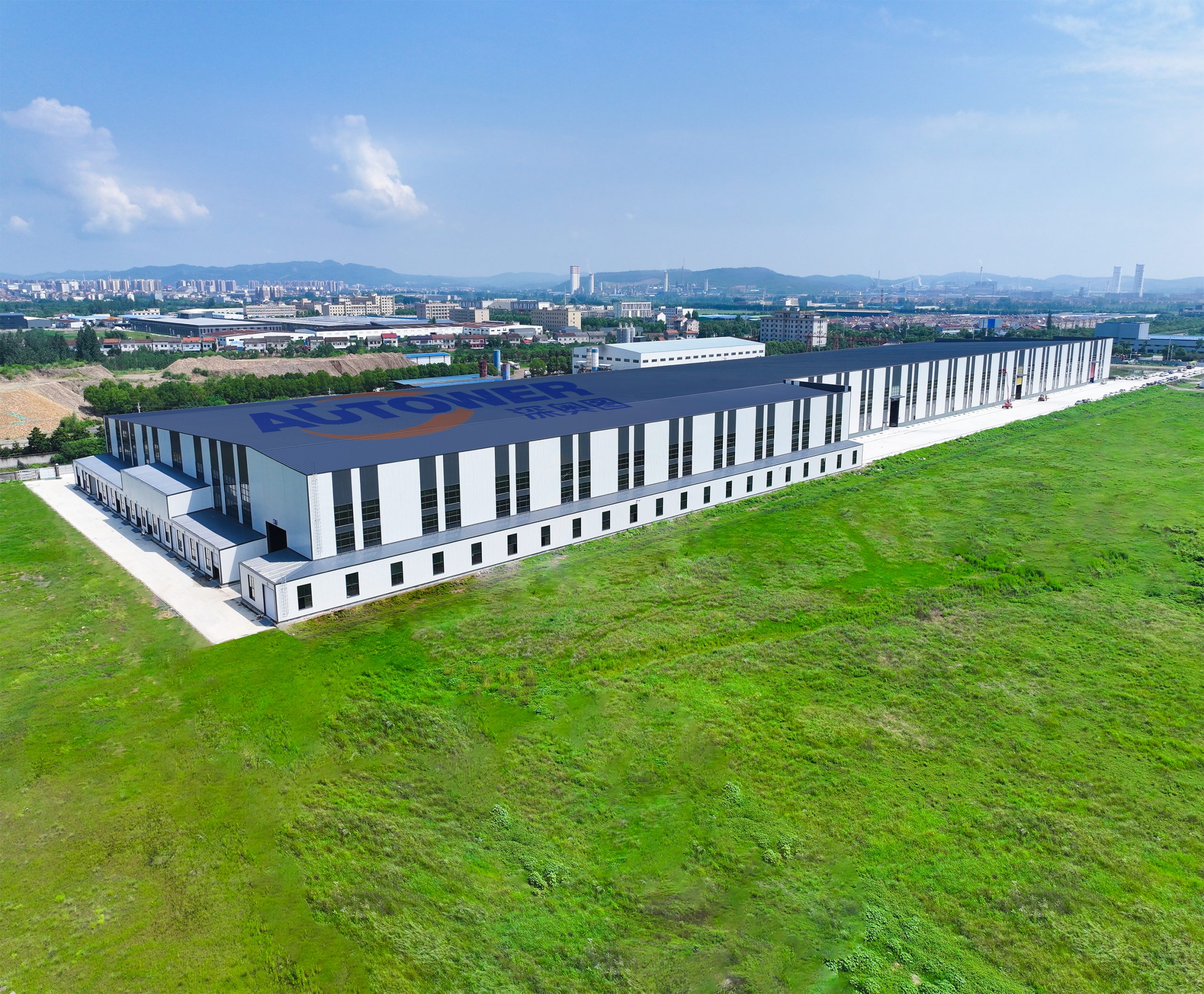
We support this safety through rigorous manufacturing. We hold PCEC explosion-proof factory certifications and ATEX certifications. We manufacture our own pressure pipelines and valves (GC2 license). We verify every weld and seal in our 300-acre facility. We do not trust third parties with your safety. We control the quality of the pressure vessels (Class D & ASME U) internally. This ensures that the equipment containing these hazardous fluids effectively prevents leaks and explosions.
| Safety Factor | Top Loading (Splash) | Top Loading (Submerged) | Bottom Loading |
|---|---|---|---|
| Fall Hazard | High (Requires Gantry) | High (Requires Gantry) | None (Ground Level) |
| Vapor Exposure | High (Open Hatch) | Medium | Very Low (Closed Loop) |
| Static Risk | High (Turbulence) | Medium | Low (Smooth Flow) |
| Emergency Stop | Slow access | Slow access | Immediate access |
Throughput & Uptime: Which System Truly Maximizes Operational Speed?
Truck queues kill your terminal’s efficiency. Single-compartment loading creates bottlenecks that slow down your entire supply chain. You need a system that fills tankers as fast as possible without stopping.
Bottom loading arms drastically outperform top loading arms in throughput. They allow operators to connect multiple arms to different compartments simultaneously. This parallel loading capability reduces the total turnaround time for a tanker by up to 50%, significantly creating higher daily operational capacity.
Time is volume, and volume is revenue. My experience with B2B clients shows that large purchase volumes necessitate equipment that moves product fast. This is why we manufacture our loading systems in-house. We need to guarantee the precision that allows for high-speed connection.
The Speed of Connection
Top loading is slow. The operator must lower the gangway, open the hatch, and maneuver the arm. Bottom loading is fast. The operator walks up, connects the API coupler, and starts. The difference is minutes per truck. Over a year, this adds up to hundreds of hours.
Simultaneous Operations
The biggest advantage is multi-compartment loading. A typical fuel truck has multiple compartments. With top loading, you often fill one, then move the arm (or the truck) to the next. Bottom loading allows you to connect 3 or 4 arms at once. You fill the whole truck in the time it takes to fill one compartment.
Precision Manufacturing for Reliability
Speed means nothing if the equipment breaks. We operate two major production bases to ensure we deliver reliable systems. We use advanced CNC machinery to cut and shape our arms. This ensures the swivel joints move smoothly. A sticky loading arm slows down the operator. Our precise measurement in the factory means the arm aligns perfectly in the field. This reduces the physical strain on your workers and speeds up the connection process.
| Efficiency Metric | Top Loading | Bottom Loading |
|---|---|---|
| Setup Time | 5-10 Minutes | 1-2 Minutes |
| Loading Method | Sequential (One by one) | Simultaneous (All at once) |
| Vapor Recovery | Complex setup | Integrated & Fast |
| Operator Fatigue | High (Climbing/lifting) | Low (Walking/connecting) |
The Bottom Line: How Do You Calculate the True Total Cost of Ownership?
Cheap equipment often requires expensive infrastructure. High maintenance costs and site modifications can ruin your budget. You must look at the total cost from construction to daily operation.
While top loading arms may appear cheaper as individual units, bottom loading systems offer a better Return on Investment (ROI). They eliminate the high capital expense of building heavy gantries and platforms. They also reduce insurance costs due to improved safety and lower long-term maintenance expenses.
Calculating ROI requires critical thinking. You cannot just look at the price tag of the arm. You must look at the cost of the concrete, the steel, and the time.
Capital Expenditure (CapEx) Differences
Top loading requires a large steel structure. You need stairs, platforms, and heavy gantries to support the operators. Bottom loading requires a simple concrete island. The arms mount on skid-mounted systems that we manufacture. We supply the complete skid, prefabricated in our factory. This saves you massive amounts of on-site construction cost.
Operational Expenditure (OpEx)
Maintenance eats profits. Top loading arms are exposed to the elements. They are harder to service because they are 4 meters in the air. Bottom loading arms are on the ground. Maintenance is faster and safer. We serve clients in over 70 countries. We see the long-term data. In harsh environments like the Middle East, sand destroys seals. Our in-house manufacturing allows us to customize these seals for longevity. This reduces your replacement frequency.
The Value of Customization
We possess extensive experience in exporting loading systems. We know that a “standard” arm might fail in your specific application. A failure halts operations. We use our advanced manufacturing capabilities to build specialized solutions, like Class D pressure vessels or heated arms for bitumen. Buying the right, customized system from the manufacturer reduces downtime. Downtime is the most expensive cost of all.
| Cost Category | Top Loading Impact | Bottom Loading Impact |
|---|---|---|
| Infrastructure | High (Gantries/Platforms) | Low (Simple Island) |
| Installation | Complex, long duration | Fast (Skid-mounted) |
| Maintenance | Difficult access, higher cost | Easy access, lower cost |
| Insurance | Higher premiums (Fall risk) | Lower premiums (Safe) |
Conclusion
Choose bottom loading for maximum safety, speed, and long-term ROI. Top loading serves niche needs, but Autoware’s precision-manufactured bottom loading systems deliver the efficiency modern terminals demand.