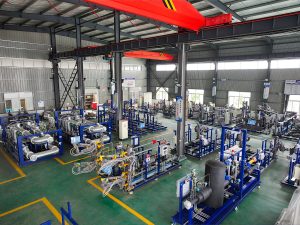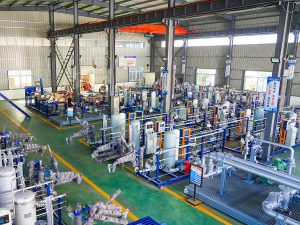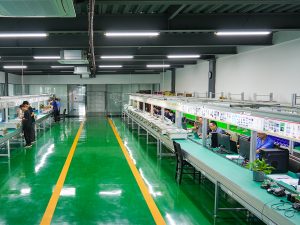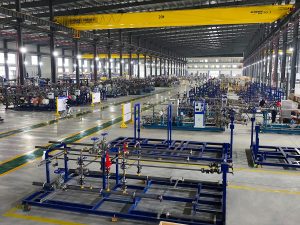
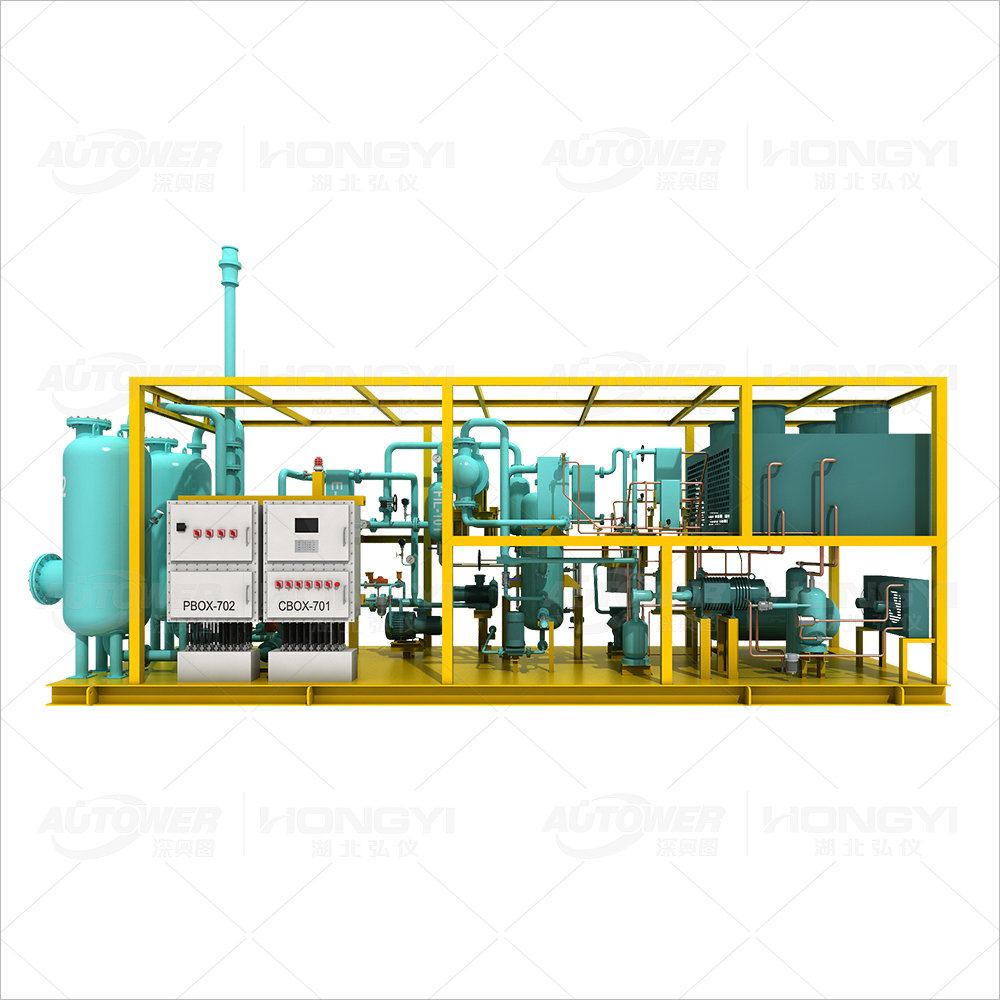
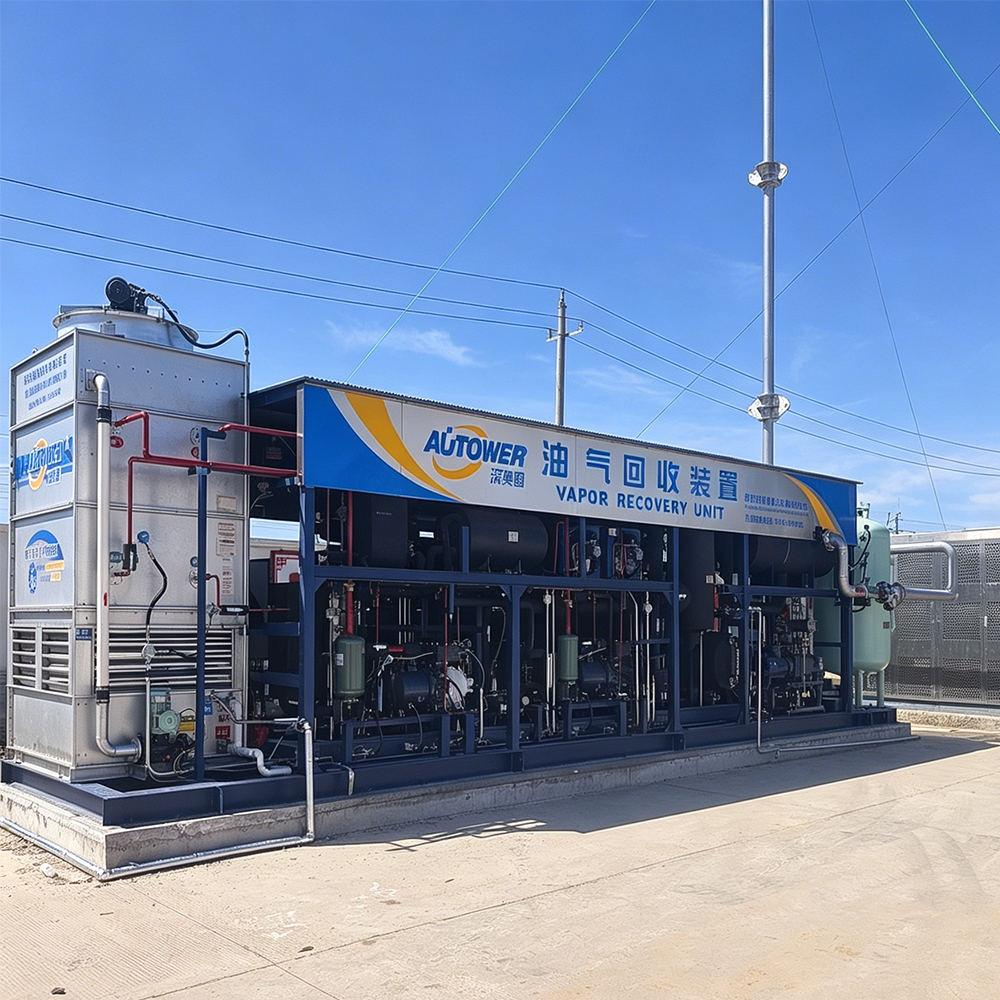
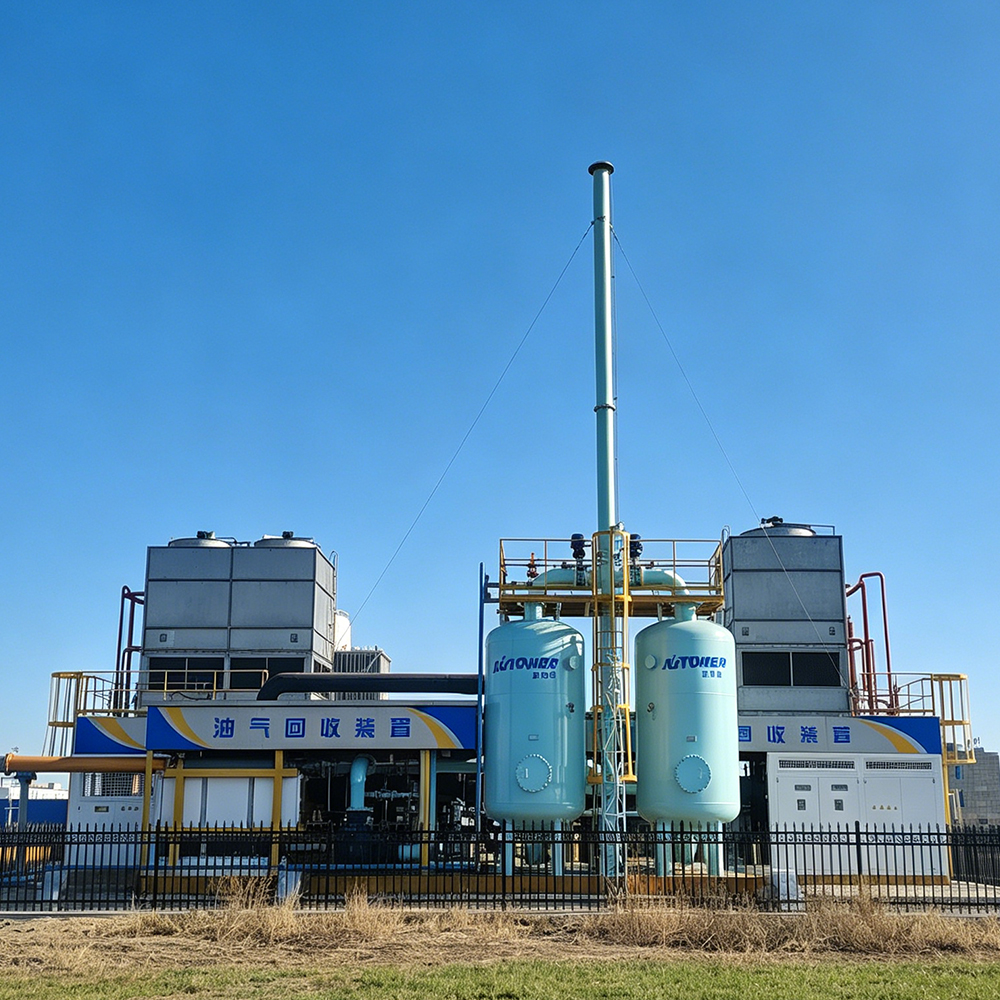
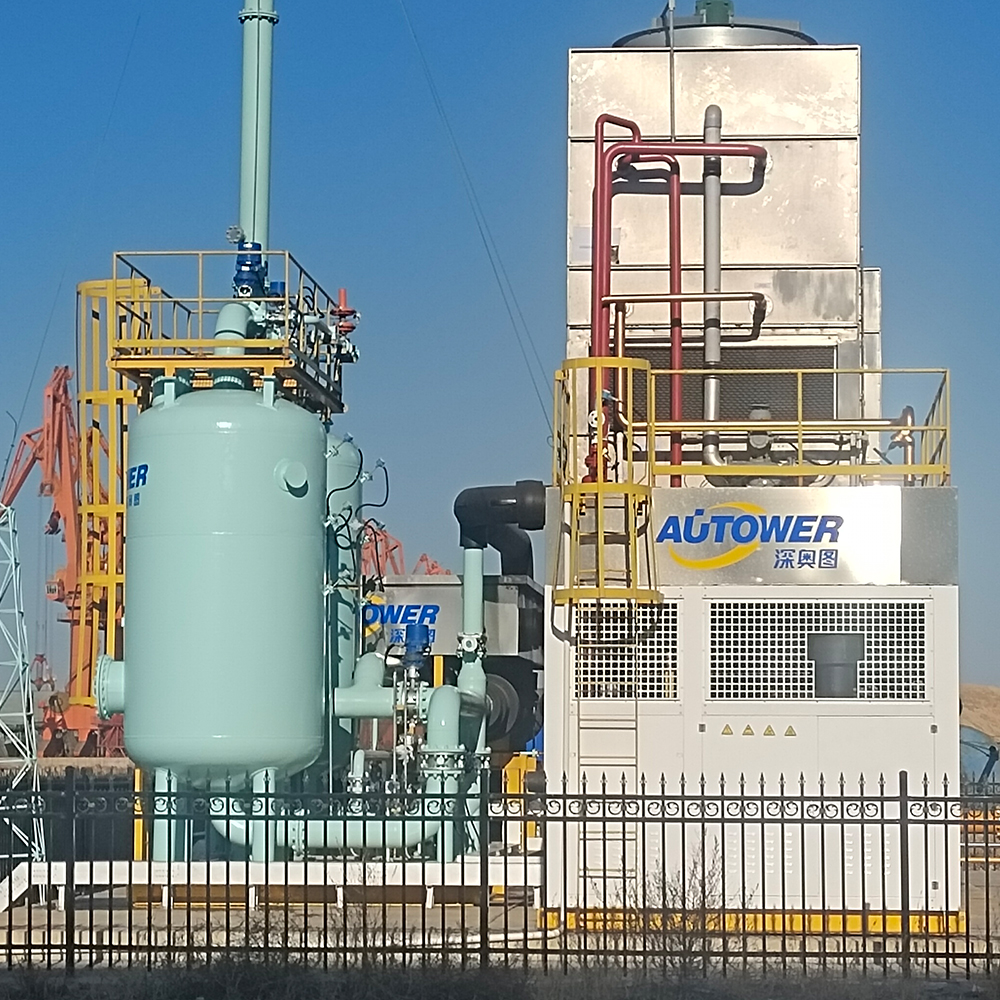
Principle and process:
Vapor recovery system for finished oil tankers in refineries and oil storage depots Oil-field associated gas recovery system Separation and recovery of chemical gases such as benzene and methanol Mixed gas separation, concentration control and recovery in chemical production processes Environmental protection standards require strict control of gas emission limits.
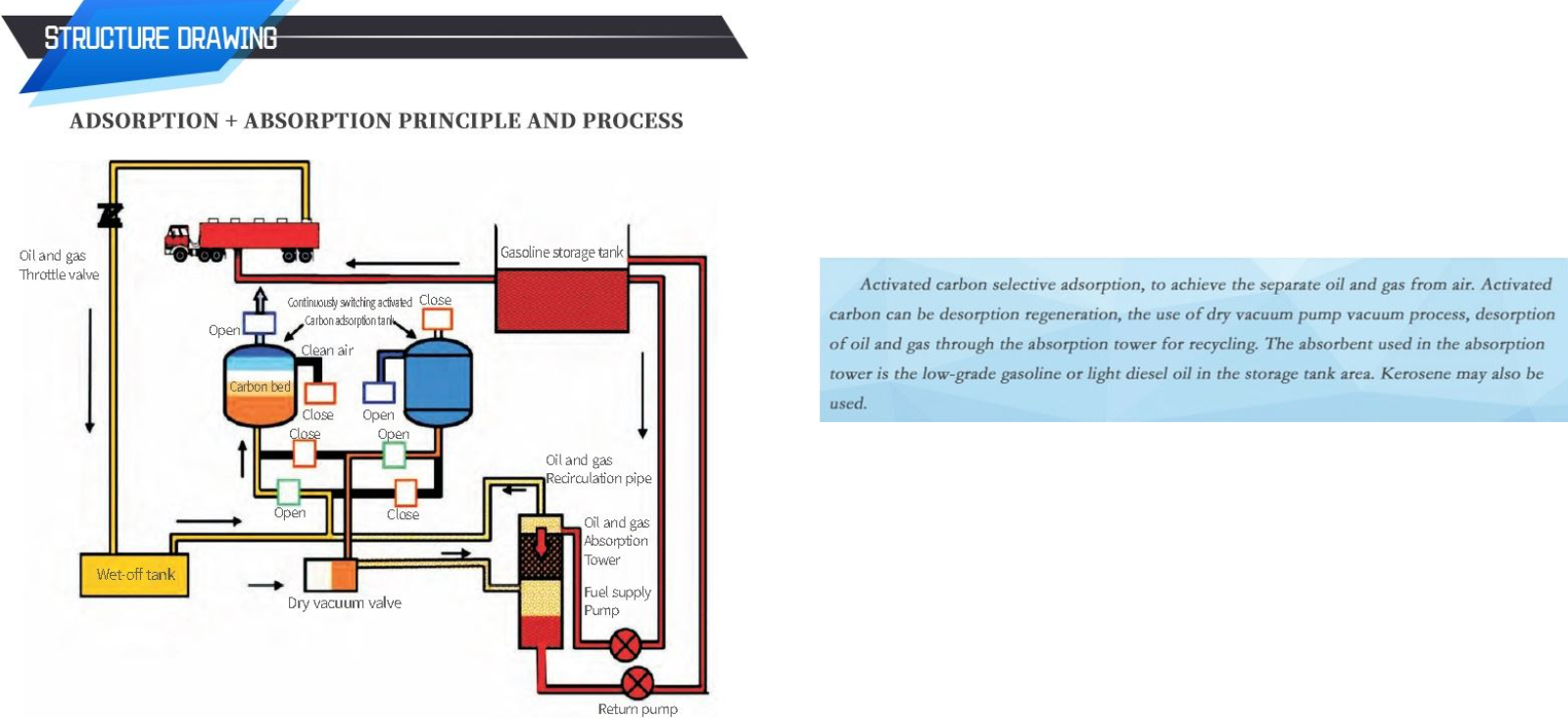
Use activated carbon for selective adsorption to achieve separation of oil, gas and air. Activated carbon can be desorbed and regenerated, and the desorbed oil and gas are recovered through an absorption tower by using a dry vacuum pump vacuuming process. The absorbent used in the absorption tower is low-grade gasoline or light diesel in the storage tank area, and kerosene can also be used.
Refineries, oil storage tankers vapour recovery system
Oil field associated gas recovery system
Separation and recovery of chemical gases such as benzene and methanol
Mixed gas separation, concentration control and recovery in chemical production processes Control of gas emission limits required by strict environmental standards
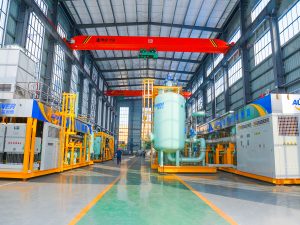
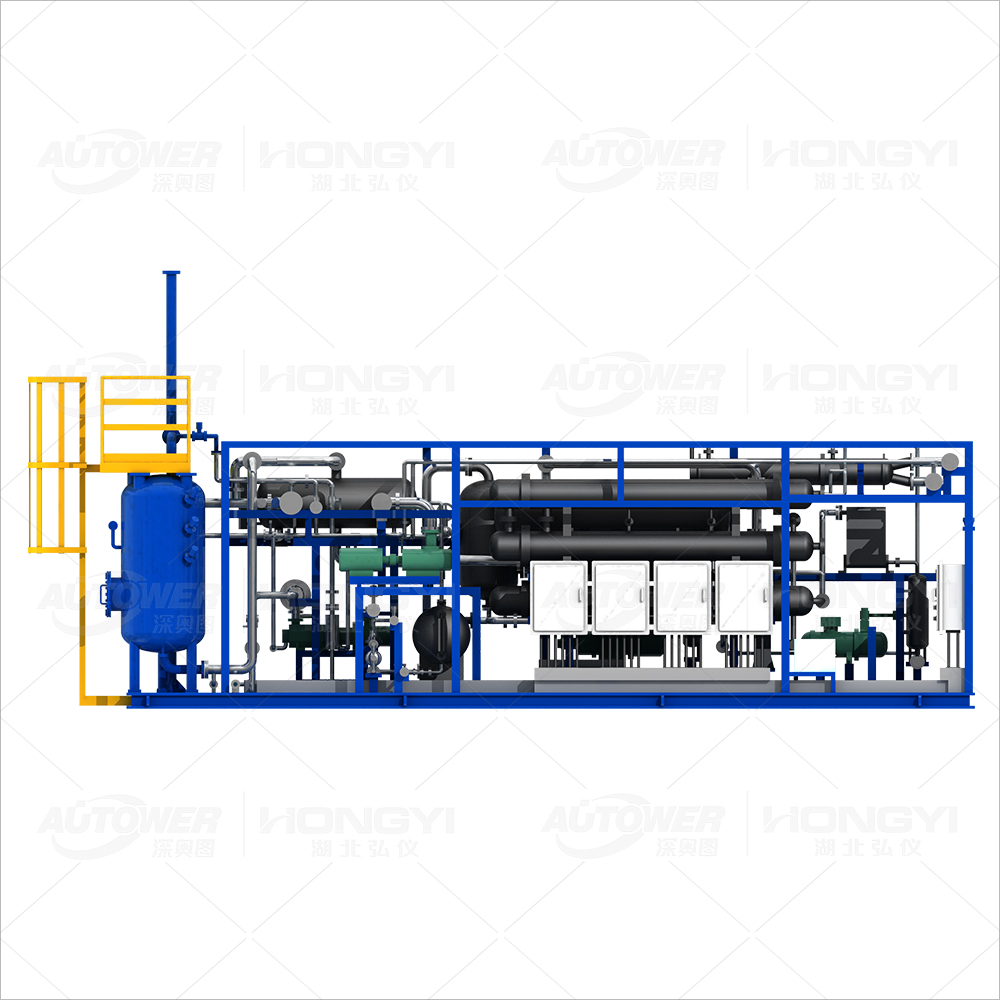
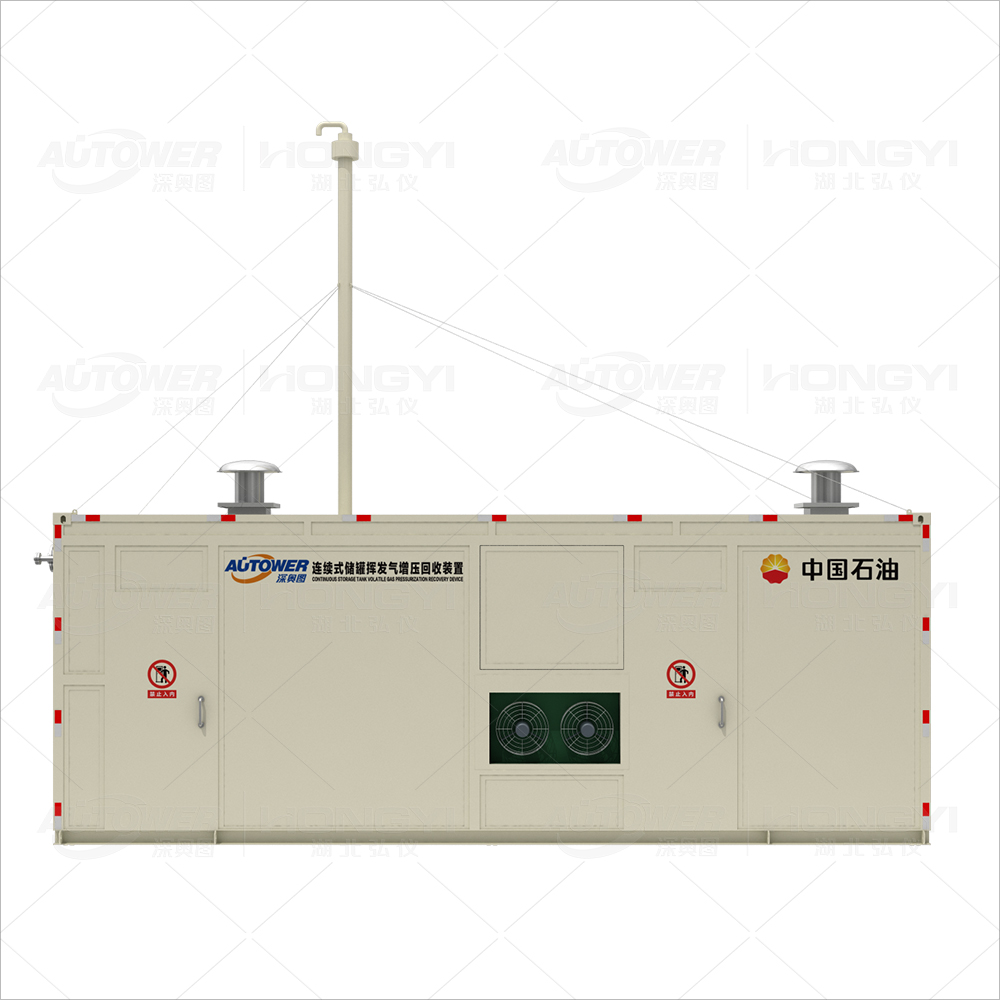
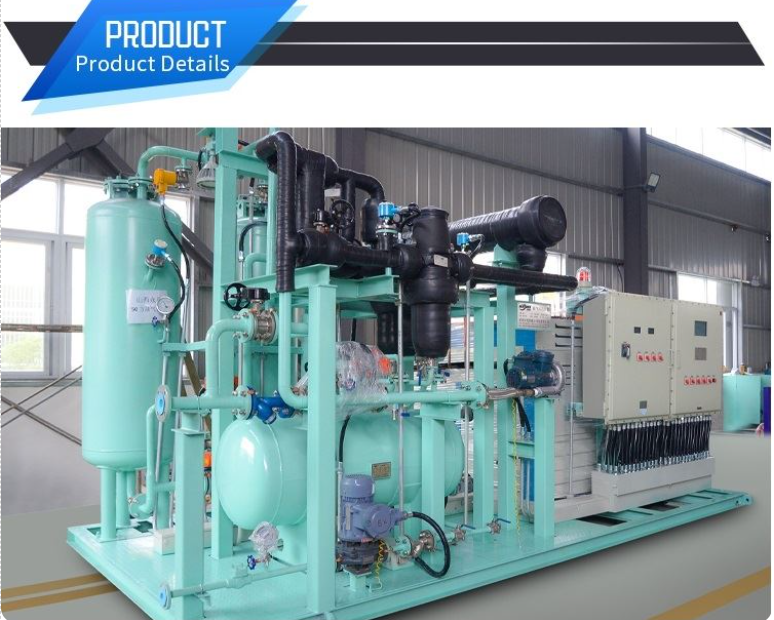
Mainly includes: refrigeration unit, heat exchanger, gas-liquid separator, adsorption tank, vacuum pump, oil pump, etc.
Control system: electrical executable device, PLC programmable control system.
 |
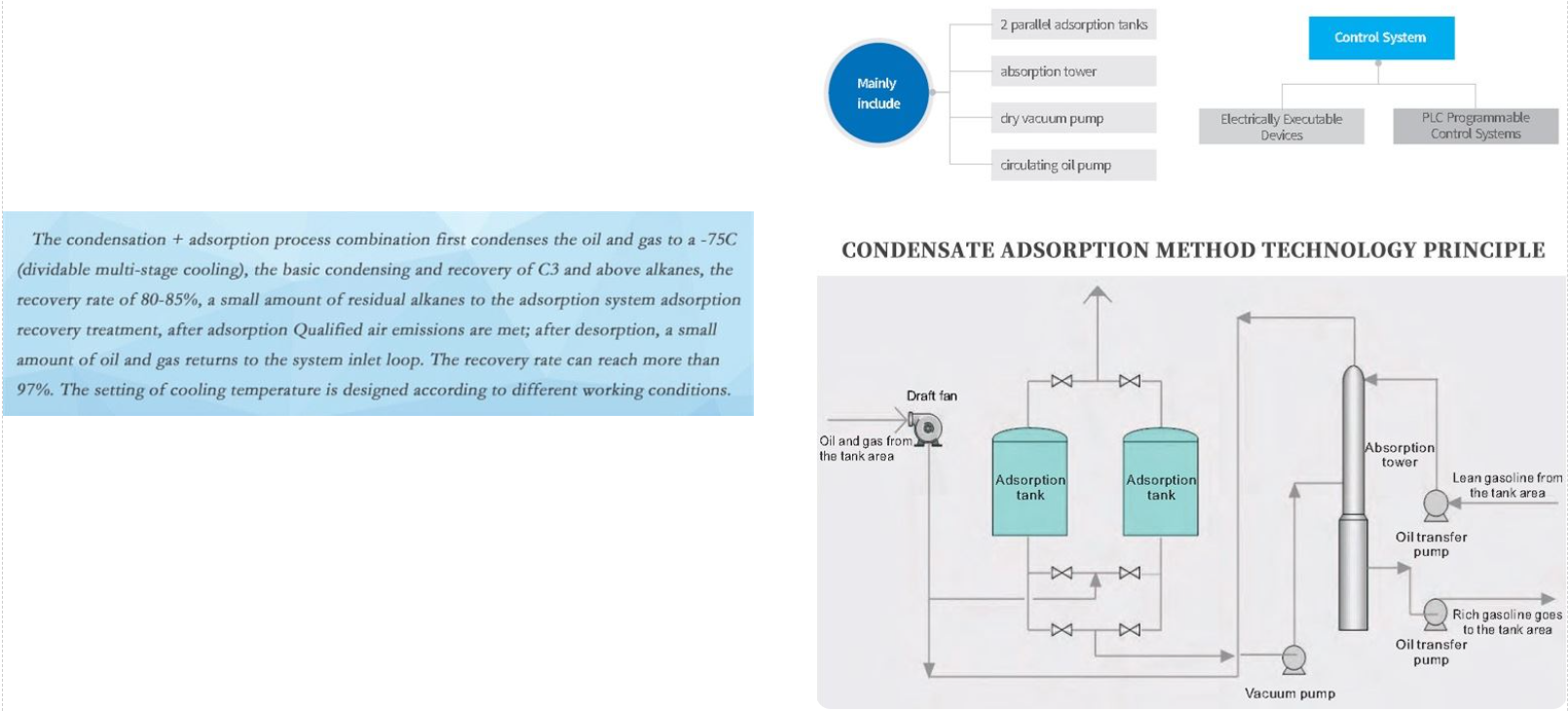
Activated carbon selective adsorption, to achieve the separate oil and gas from air. |
| 2 parallel adsorption tanks | 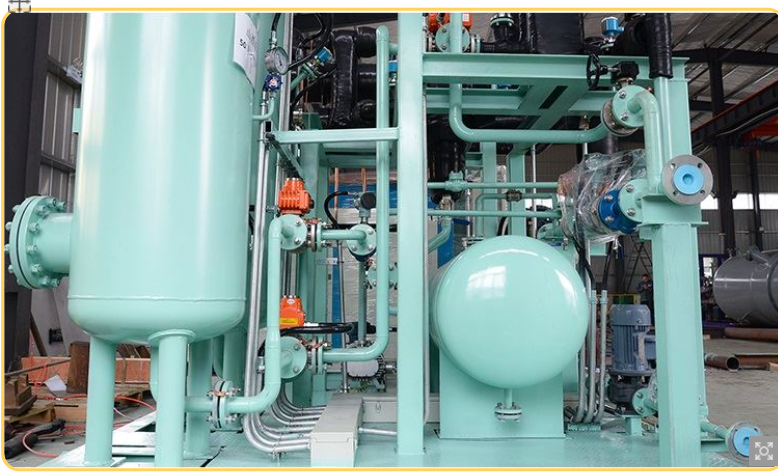 |
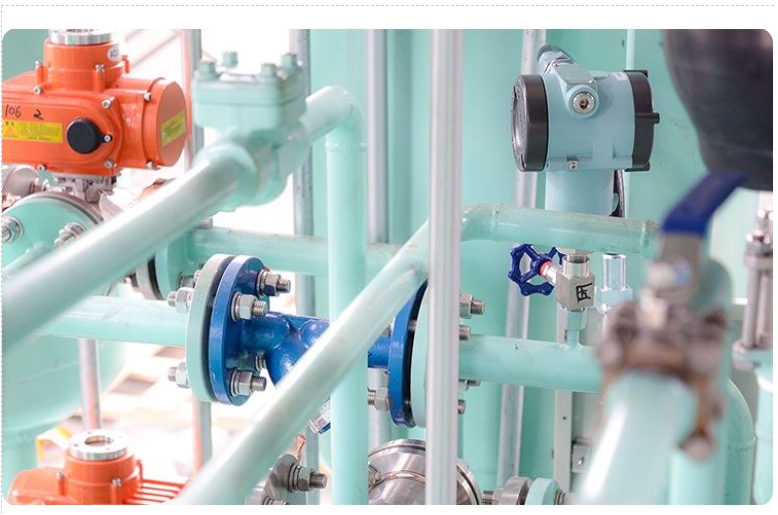 |
Activated carbon can be desorption regeneration |
| The use of dry vacuum pump vacuum process,Descorption of oil and gas through the absorption tower for recycling. | 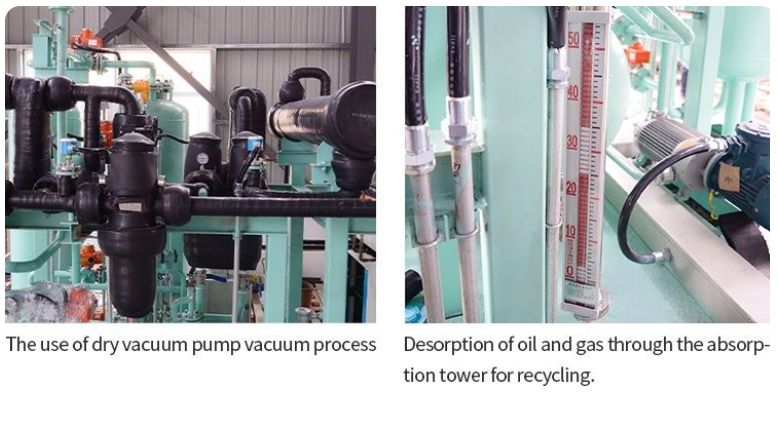 |
We will promptly provide you with all technical data and drawings specified in the contract.
We will provide technical services on site at the time requested by you, and install, commission, and operate the entire set of equipment in accordance with your technical data and drawings.
For spare parts and accessories related to the contracted equipment that you have selected, the supplier shall proactively provide technical conditions and data that meet the equipment interface requirements.
Strictly enforce the minutes of meetings or agreements signed by both parties regarding relevant issues.
Conduct business training sessions for you on equipment installation, commissioning, operation, and maintenance techniques in accordance with the contract.
Strengthen pre-sales, sales, and after-sales services, and implement “24-hour service,” “proactive service,” “full-process service,” and “lifetime service” throughout the entire process of product manufacturing, installation, commissioning, and repair.
Upon receiving information about quality issues from you, we will respond
within 24 hoursor dispatch service personnel to arrive at the site as soon as possible, ensuring that service continues even if the customer is dissatisfied with the quality.
We will promptly fulfill your requirements for spare parts.
Equipment maintenance: All oil treatment units sold by us are covered by a lifetime warranty.
| ITEM | PARAMETER | |
| Model | AWVR-X00 | |
| Rated processing capacity (Nm³/h) | 100–30000 | |
| Operational flexibility (%) | 30%~110% | |
| Operating pressure | 0.1 MPaG | |
| Processing technology | Absorption+Adsorption/Desorption + Condensation (Free Combination) | |
| Volatile gas medium | Hydrocarbon Vapor | |
| Intake fuel gas concentration (%) | Maximum is the saturation concentration | |
| Intake air-fuel temperature (°C) | 40 | |
| Unit start-up and shutdown pressure (Pa) | +200/-200 (adjustable on-site) | |
| power supply | 380V, 50Hz, three-phase five-wire system | |
| Unit operating ambient temperature (°C) | -20~60 | |
| Adsorbent type | Activated carbon | |
| Oil and gas processing efficiency | ≥97% (intake concentration is saturation concentration) | |
| exhaust emission concentration | In accordance with the client’s local regulatory requirements | |
| Explosion-proof rating | Exd II BT4 | |
| Instrument protection level | IP65 | |
| Traffic monitoring function | Yes | |
| System Control | Siemens PLC | |
| Noise level (1m away from the oil and gas recovery equipment) | ≤85dB | |
| Installed power (kW) | 110 | |
| Operating power (kW) | ≤90kW | |
| Piping | Vapor access pipeline boundary | DNXX 304 Stainless Steel |
| oil pipeline boundary | DNXX 304 stainless steel | |
| Nitrogen pipe boundary | DNXX 304 stainless steel | |
| Boundary flange standard | HG/T20592-2009 PN16 RF | |
| Preliminary equipment dimensions | Length (mm) | 15,000 (Approximately) |
| Width (mm) | 3000 (Approximately) | |
| Height(mm) | 4000 (Approximately) | |
| Exhaust pipe height | ≥15m 《 GB 20950-2020 》 | |
| Skid weight (subject to detailed design) | 30 tons (Approximately) | |
| High recovery rate | Low energy consumption | Solve the industry’s pain points | Independent patent technology | Continuous and stable operation |
| Using advanced recovery technology, the recovery rate is as high as 99%, significantly improving the oil and gas recovery rate. | Optimize energy consumption design and reduce operating costs. Data shows that low energy consumption design can reduce energy consumption by 20%. | Solve problems such as ice blockage, compressor oil shortage, failure to reach the design temperature, and inability to operate continuously and stably. | including more than 10 independent patent technologies, 4 of which are invention patents. | The system design ensures continuous and stable operation and reduces maintenance requirements. |
To enhance packaging quality, strengthen packaging management, and prevent product loss or damage during transit resulting from packaging-related issues, this Export Packaging Specification has been specifically formulated.
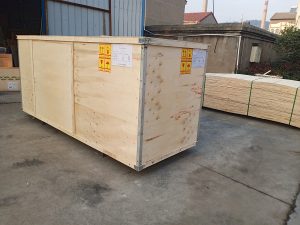
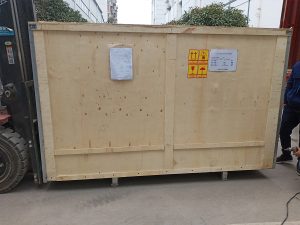
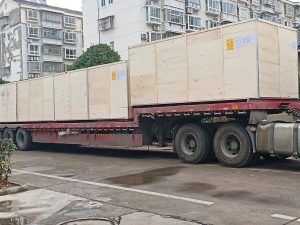
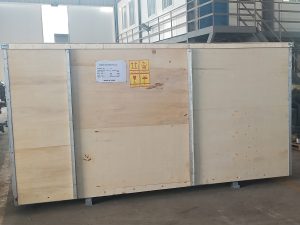
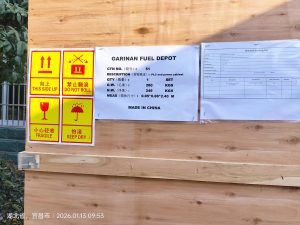
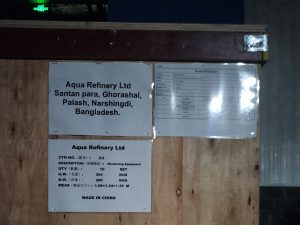
This specification applies to the packaging of all products exported by this Company.
| Requirement | Responsible Dept. | |
| Before Packaging | Confirm that the product has been tested and is free of defects. Confirm that the product’s exterior is clean and free of stains, standing water, or similar issues. | Quality Dept. |
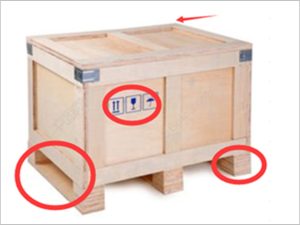
| Product Packaging | 1. Skid-mounted and Containerized Packaging: A three-layer packaging system—comprising inner, intermediate, and outer packaging—is required. The packaging must be securely fastened and stable, providing effective protection for the product. a. Individual instruments on the skid must be protected with bubble wrap and tightly bound with stretch film. b. The entire skid must be protected with bubble wrap and tightly bound with stretch film. . Containers equipped with racks must be securely fastened using strapping bands. d. Loose piping must be wrapped in protective fabric to prevent paint damage from impact, and then placed onto a dedicated packing rack. Legend 2. Individual Packaging A three-layer packaging system—comprising inner, intermediate, and outer packaging—is required. The packaging must be securely fastened and stable, providing effective protection for the product. Inner Packaging: Foam wrap must be used to fully enclose the items, ensuring that no direct collision or friction occurs between products or between the products and the carton. Each individual item must bear both Chinese and English labels to facilitate inventory verification by the customer. Intermediate Packaging: Packed in cartons. Outer Packaging: Wooden crate packaging. The materials used must consist of plywood crates (fumigation-free) reinforced with steel strips. Any remaining space inside the box must be filled with cushioning material. For heavier products, particular attention should be paid to packaging strength to prevent damage during transit. | Production Dept / Warehousing & Logistics Dept |
| packaging | 1. Steel strips / wide wooden slats to wrap the 8 legs. Note: Wooden slat width: mm; thickness: mm. 2. 6–8 reinforcement points inside the box. 3. For any face exceeding 2 CBM, cross-bar or I-beam steel reinforcement is required. Note: The spacing between cross-bars/I-beams must be less than or equal to mm. 4. All packaging must include forklift access points to facilitate loading and unloading. 5. Packaging must be designed based on the dimensions of the container; under no circumstances should it exceed the container’s length, width, or height. | Warehousing & Logistics Dept |
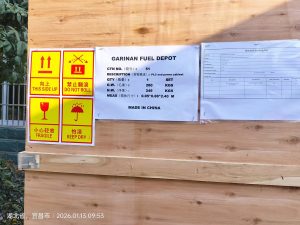
| Shipping Mark | In accordance with the accompanying documentation, affix the shipping marks and packing lists to the front and sides, respectively . | Warehousing & Logistics Dept |
| Packaging Markings | Fragile, Keep Dry, This Side Up. Labels must be clear and securely affixed. | Warehousing & Logistics Dept |
| Instruction Manual placement | You must include: an instruction manual (either entirely in English or bilingual English-Chinese), a Certificate of Conformity, and a test report. (Note: No documents may be submitted exclusively in Chinese.) | Quality Dept |
| Take photos for the archive. | The packaging process must be documented via photographs or video recordings, and relevant information retained. All photographic and video files must be date-stamped and subsequently archived. | Warehousing & Logistics Dept |