SCADA System (Supervisory Control And Data Acquisition)
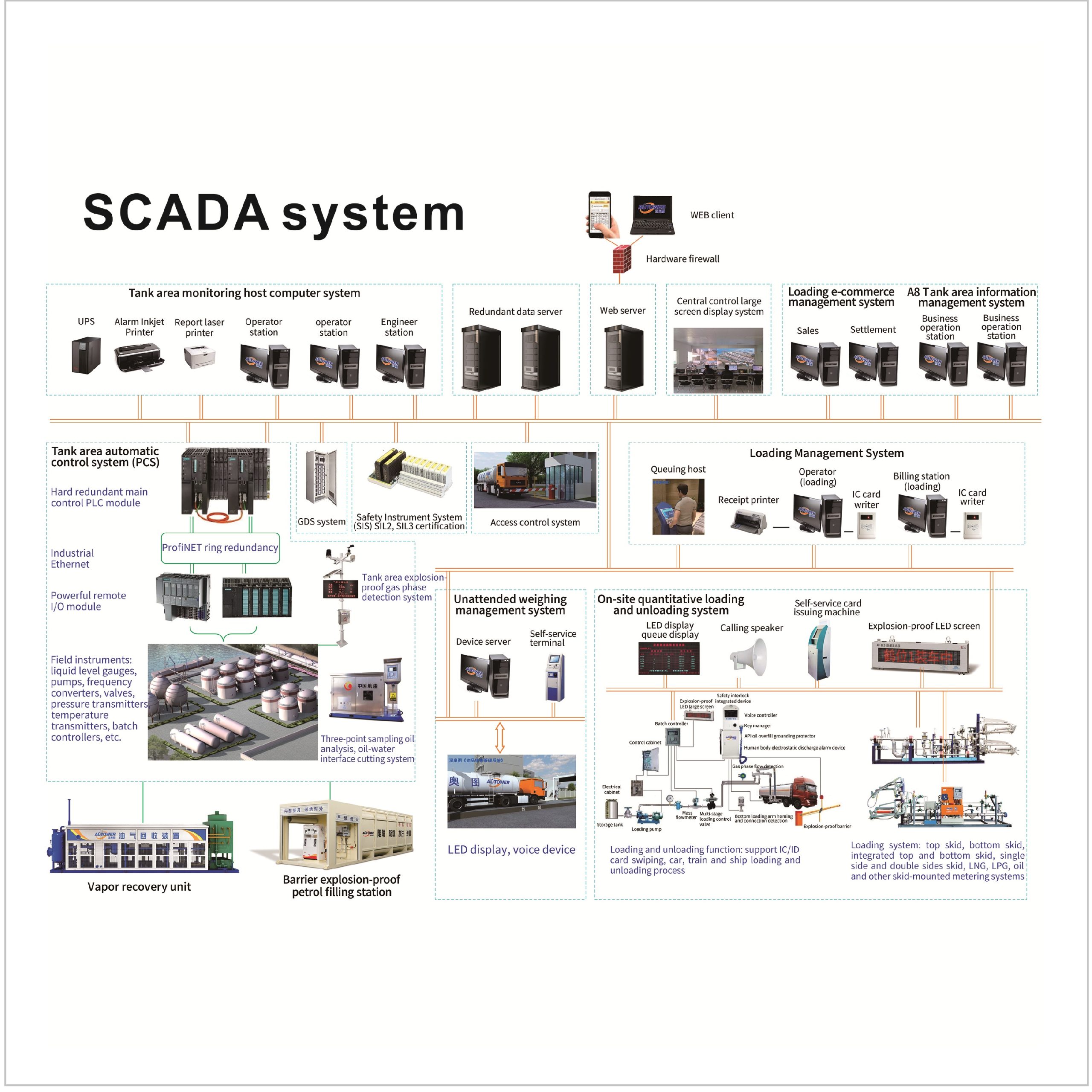
SCADA (Supervisory Control And Data Acquisition) is an industrial-grade remote monitoring and control platform that forms the digital nerve center of modern oil & gas, chemical, and energy facilities. It seamlessly integrates cutting-edge computer, communication, control, and instrumentation technologies to unify management of geographically dispersed field devices and processes.
By delivering real-time data visibility, automated control, and intelligent decision support, AUTOWER SCADA systems provide a complete technical foundation for safe production, efficient scheduling, centralized management, process optimization, and predictive fault diagnosis across your entire operation.
 |
 |
This specification defines the technical parameters, performance standards, and functional capabilities of AUTOWER industrial-grade SCADA systems, specifically designed for oil & gas storage terminals, loading/unloading stations, petrochemical plants, and pipeline networks. All systems comply with international and Southeast Asian regional safety and environmental standards.
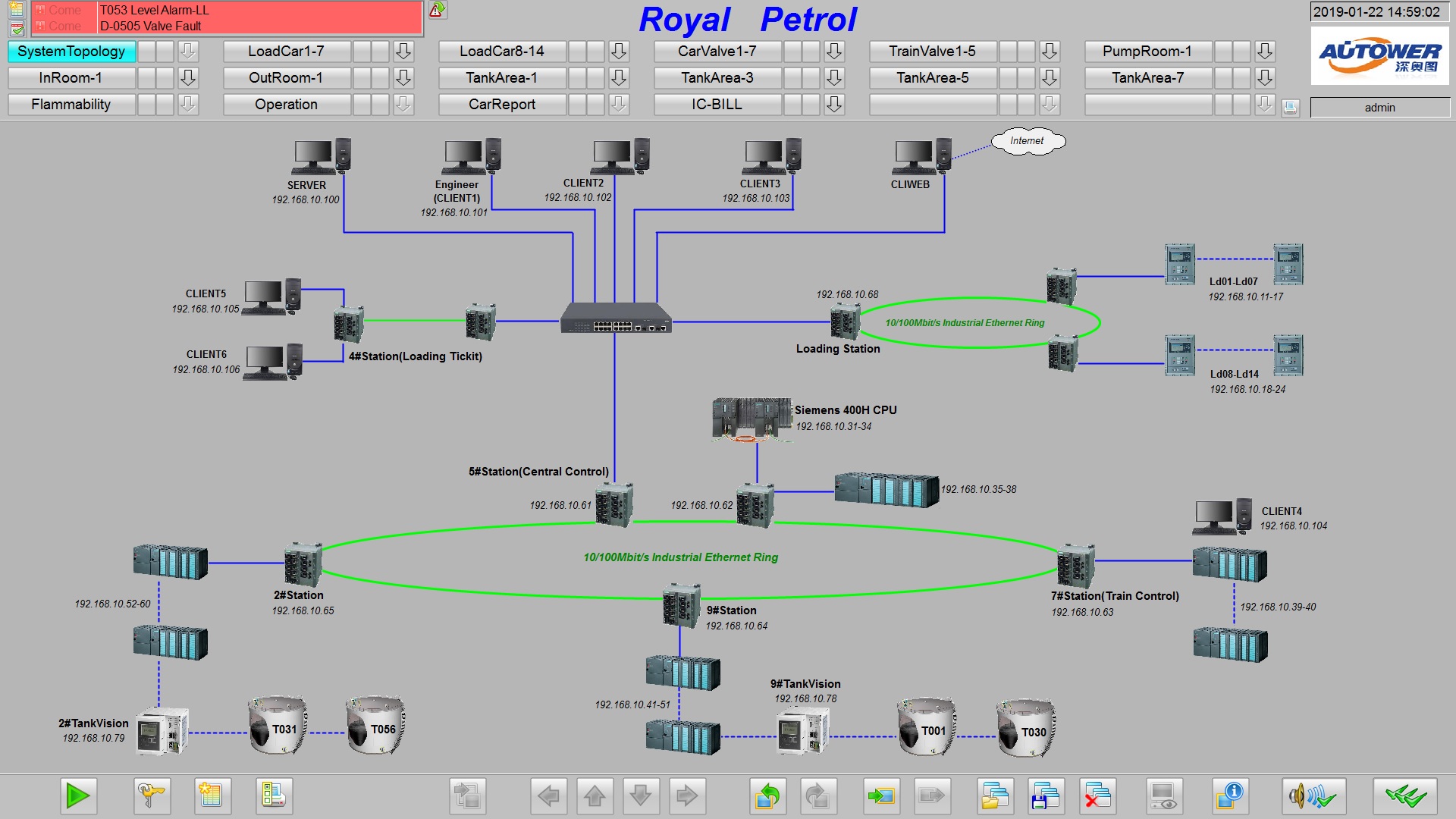
|System Layers | Field Instrument Layer → Control Layer → Server Layer → Client Layer → Remote Access Layer
2.1 Server Hardware
2.2 Operator Client Hardware
2.3 Field Communication Interface
|HMI Design | Drag-and-drop graphical editor | Pre-built oil & gas industry templates | Customizable process flow diagrams
– International Certifications: ISO 9001, CE, ATEX, IECEx
– Regional Compliance: Philippines DOE (Department of Energy) standards | Philippines DENR (Department of Environment and Natural Resources) emission monitoring requirements
– Industry Standards: API 650, API 1176, IEC 61508 (SIL 2 capable)
– Mobile APP (iOS/Android) for remote monitoring and alarm notification
– Advanced data analytics and predictive maintenance module
– Energy consumption management and reporting module
– Integration with AUTOWER intelligent loading systems, vapor recovery units (VRUs), and tank farm management systems
– Third-party ERP/MES system integration interface
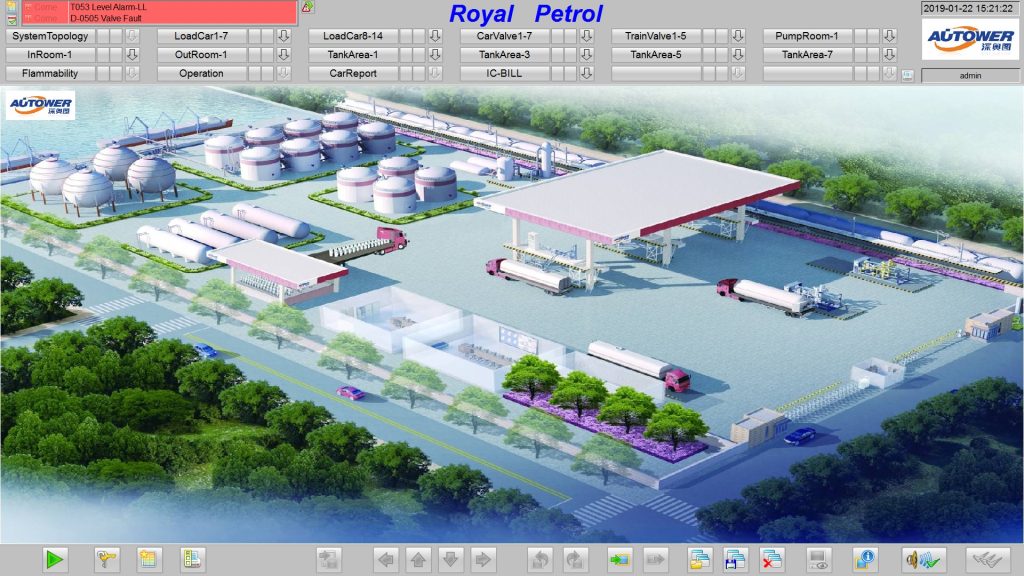
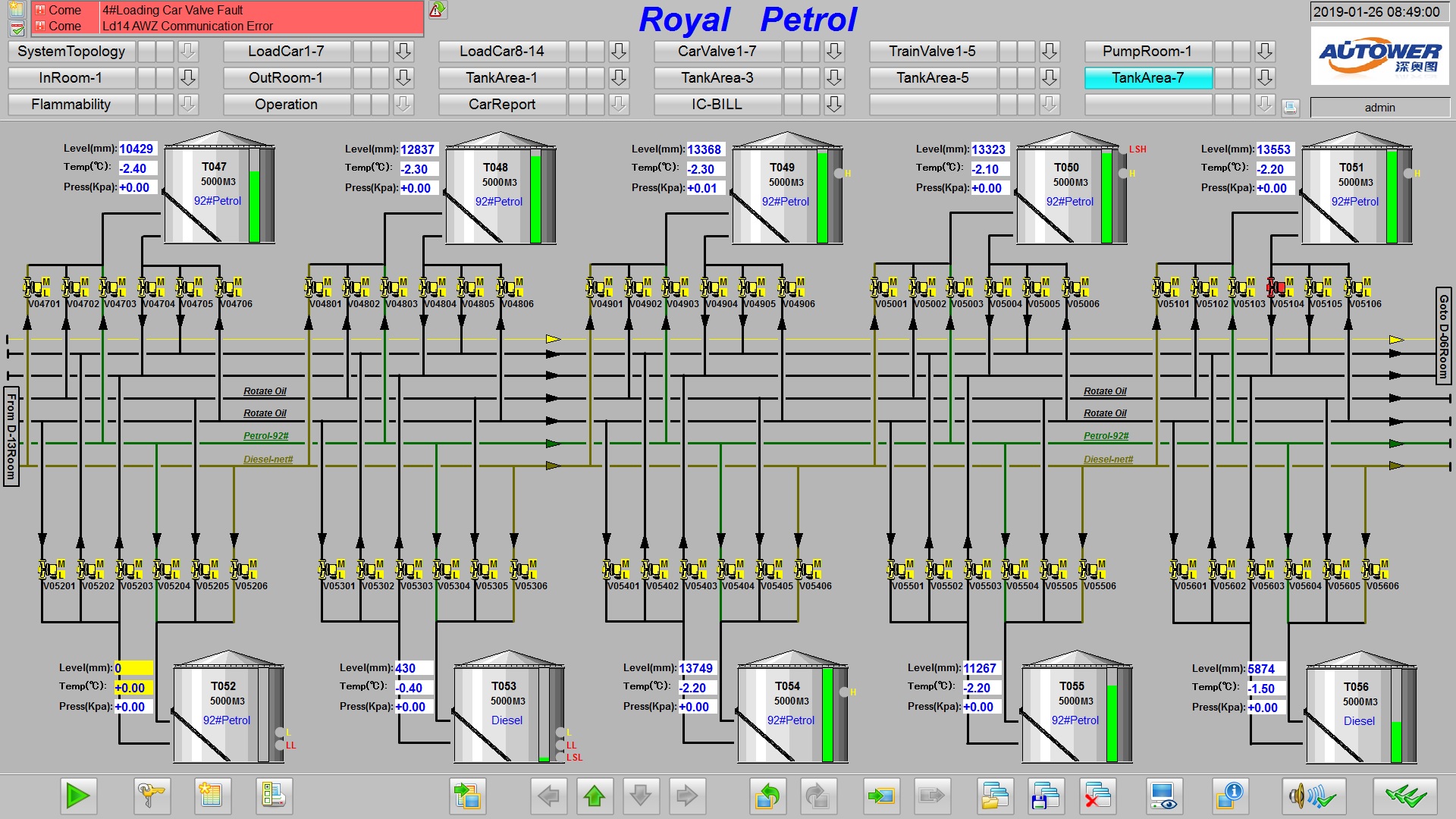
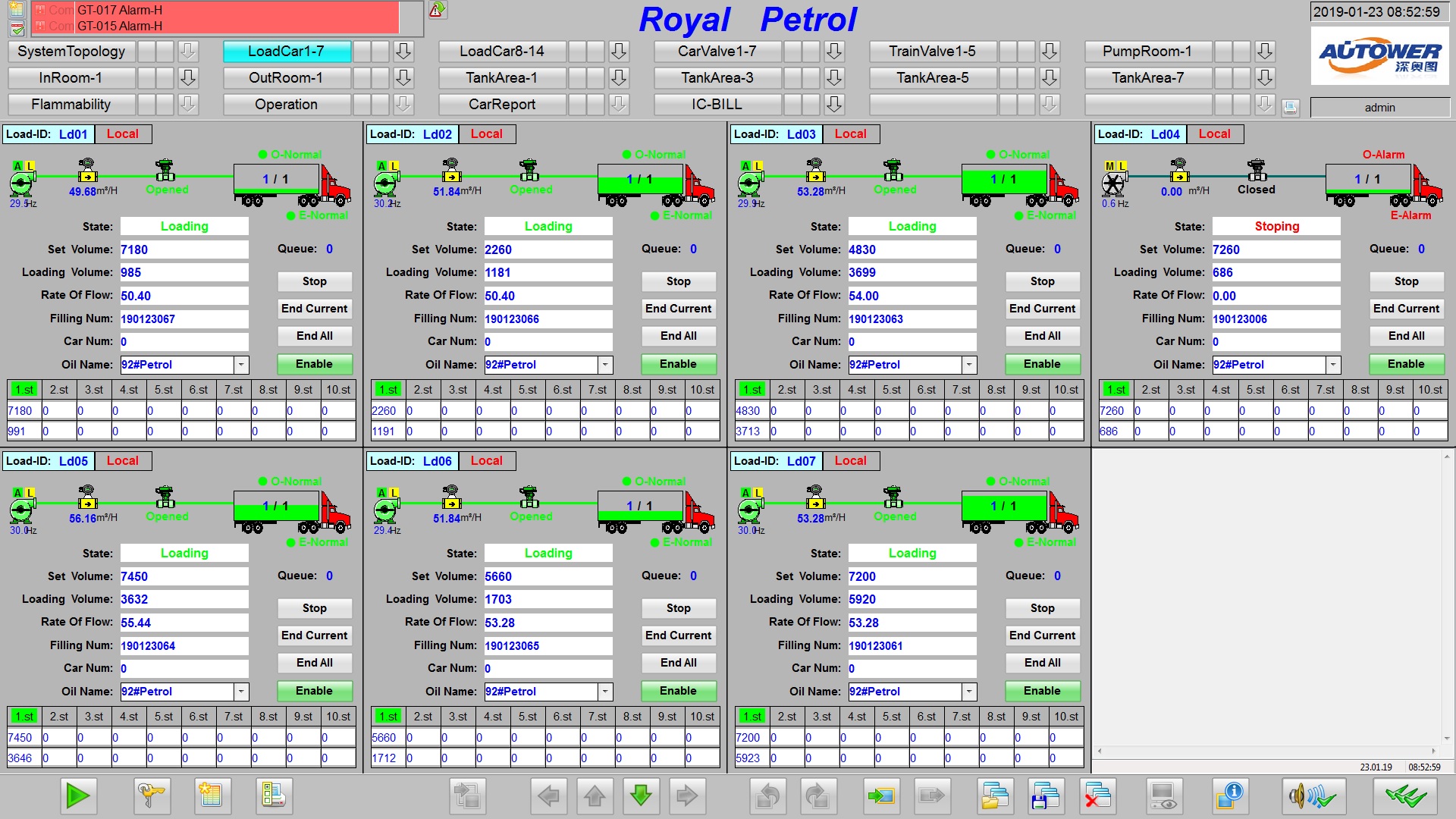
Collects high-precision data from flow meters, pressure transmitters, temperature sensors, level gauges, and other field instruments; displays dynamic process flows, equipment status, and key parameters on intuitive HMI (Human-Machine Interface) dashboards.
Enables one-click remote operation of pumps, valves, loading arms, and emergency shutdown (ESD) systems; supports batch control, sequential control, and interlock protection to eliminate manual operation errors.
Configurable multi-level alarm thresholds with audible, visual, and pop-up notifications; automatically records all alarm events, operation logs, and parameter changes for full traceability and post-incident analysis.
Long-term historical data archiving with customizable report generation (daily/weekly/monthly production reports, energy consumption reports, equipment operation reports); supports data export in Excel/PDF formats for compliance and management review.
Secure web-based and mobile access allows authorized personnel to monitor and manage the system anytime, anywhere; supports multi-user permission management to ensure data security.
Seamlessly connects with AUTOWER intelligent loading systems, vapor recovery units (VRUs), tank farm management systems, and third-party equipment; modular design enables flexible expansion as your business grows.
 |
 |
AUTOWER SCADA Advantages for Oil & Gas Industry
Pre-built templates for oil depots, petrol stations, LNG terminals, and pipeline networks, reducing deployment time by 40%
Redundant server architecture and dual communication links ensure 99.9% system uptime
Fully certified for hazardous area applications (ATEX/IECEx), with built-in safety interlocks and emergency shutdown functions
24/7 technical support and on-site service available across Southeast Asia, including the Philippines
All-in-one solution eliminates the need for multiple disparate systems, reducing total cost of ownership
 |
 |
 |
To enhance packaging quality, strengthen packaging management, and prevent product loss or damage during transit resulting from packaging-related issues, this Export Packaging Specification has been specifically formulated.
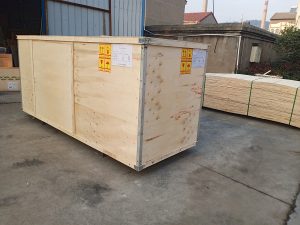
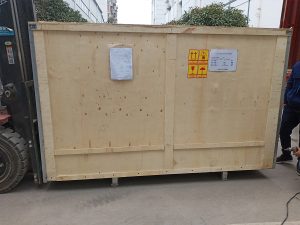
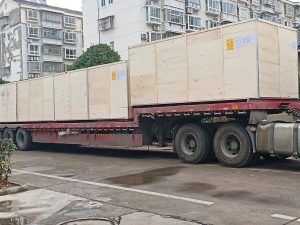
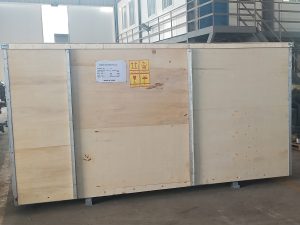
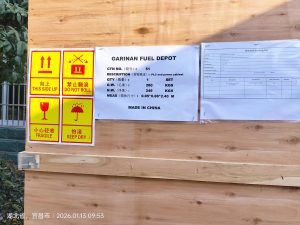
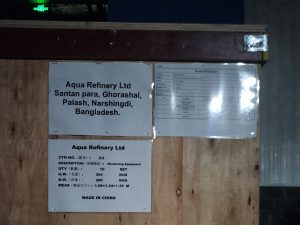
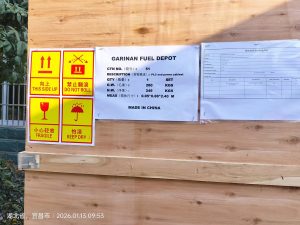
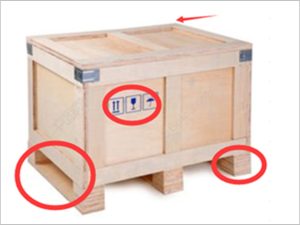
This specification applies to the packaging of all products exported by this Company.
| Requirement | Responsible Dept. | |
| Before Packaging | Confirm that the product has been tested and is free of defects. Confirm that the product’s exterior is clean and free of stains, standing water, or similar issues. | Quality Dept. |
| Product Packaging | 1. Skid-mounted and Containerized Packaging: A three-layer packaging system—comprising inner, intermediate, and outer packaging—is required. The packaging must be securely fastened and stable, providing effective protection for the product. a. Individual instruments on the skid must be protected with bubble wrap and tightly bound with stretch film. b. The entire skid must be protected with bubble wrap and tightly bound with stretch film. . Containers equipped with racks must be securely fastened using strapping bands. d. Loose piping must be wrapped in protective fabric to prevent paint damage from impact, and then placed onto a dedicated packing rack. Legend 2. Individual Packaging A three-layer packaging system—comprising inner, intermediate, and outer packaging—is required. The packaging must be securely fastened and stable, providing effective protection for the product. Inner Packaging: Foam wrap must be used to fully enclose the items, ensuring that no direct collision or friction occurs between products or between the products and the carton. Each individual item must bear both Chinese and English labels to facilitate inventory verification by the customer. Intermediate Packaging: Packed in cartons. Outer Packaging: Wooden crate packaging. The materials used must consist of plywood crates (fumigation-free) reinforced with steel strips. Any remaining space inside the box must be filled with cushioning material. For heavier products, particular attention should be paid to packaging strength to prevent damage during transit. | Production Dept / Warehousing & Logistics Dept |
| packaging | 1. Steel strips / wide wooden slats to wrap the 8 legs. Note: Wooden slat width: mm; thickness: mm. 2. 6–8 reinforcement points inside the box. 3. For any face exceeding 2 CBM, cross-bar or I-beam steel reinforcement is required. Note: The spacing between cross-bars/I-beams must be less than or equal to mm. 4. All packaging must include forklift access points to facilitate loading and unloading. 5. Packaging must be designed based on the dimensions of the container; under no circumstances should it exceed the container’s length, width, or height. | Warehousing & Logistics Dept |
| Shipping Mark | In accordance with the accompanying documentation, affix the shipping marks and packing lists to the front and sides, respectively . | Warehousing & Logistics Dept |
| Packaging Markings | Fragile, Keep Dry, This Side Up. Labels must be clear and securely affixed. | Warehousing & Logistics Dept |
| Instruction Manual placement | You must include: an instruction manual (either entirely in English or bilingual English-Chinese), a Certificate of Conformity, and a test report. (Note: No documents may be submitted exclusively in Chinese.) | Quality Dept |
| Take photos for the archive. | The packaging process must be documented via photographs or video recordings, and relevant information retained. All photographic and video files must be date-stamped and subsequently archived. | Warehousing & Logistics Dept |